Global Surface Treatment Equipment & System Solutions — Since 2002

  • Specialized Spare Parts for Through-Type Shot Blasting Machines
  • Specialized Spare Parts for Through-Type Shot Blasting Machines
  • Specialized Spare Parts for Through-Type Shot Blasting Machines
  • Specialized Spare Parts for Through-Type Shot Blasting Machines
Specialized Spare Parts for Through-Type Shot Blasting Machines

Specialized Spare Parts for Through-Type Shot Blasting Machines

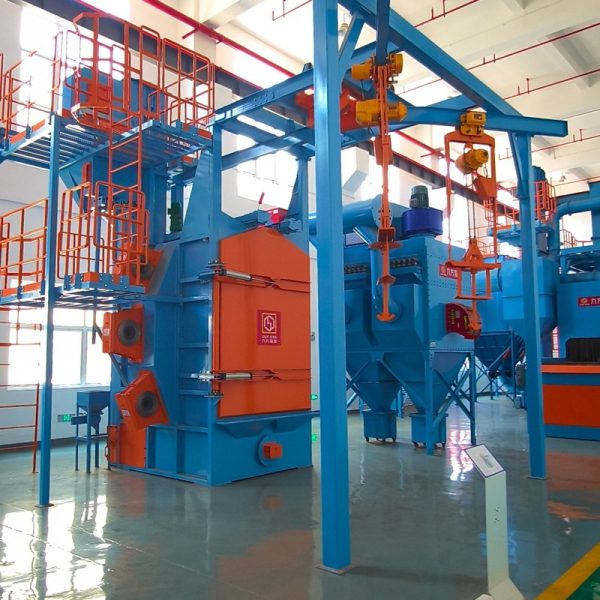
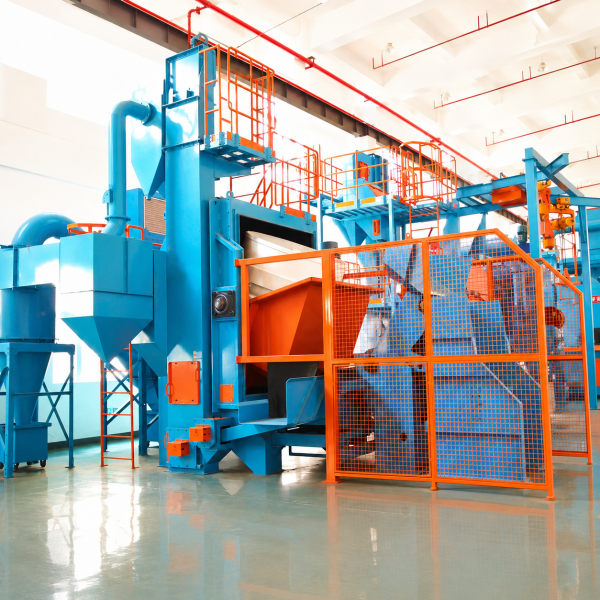
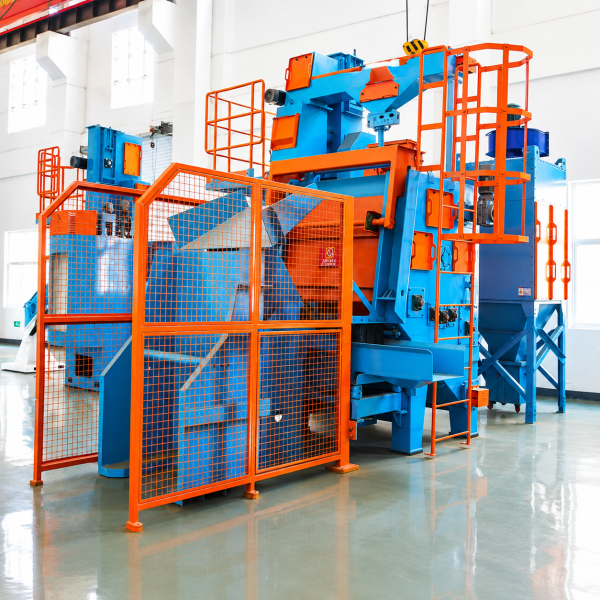
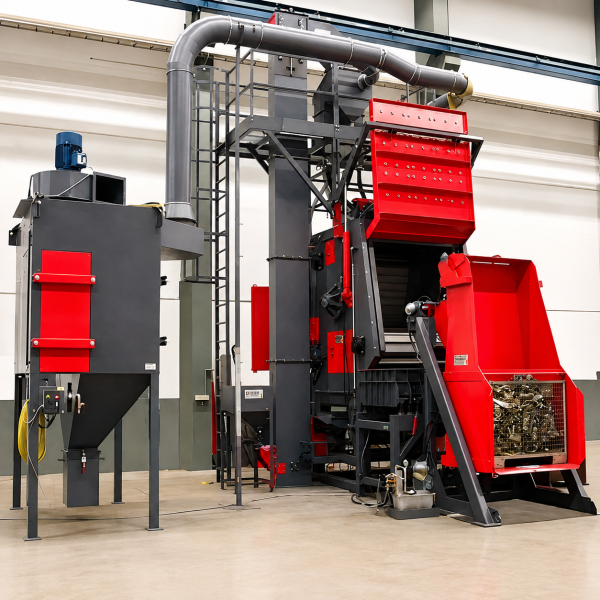
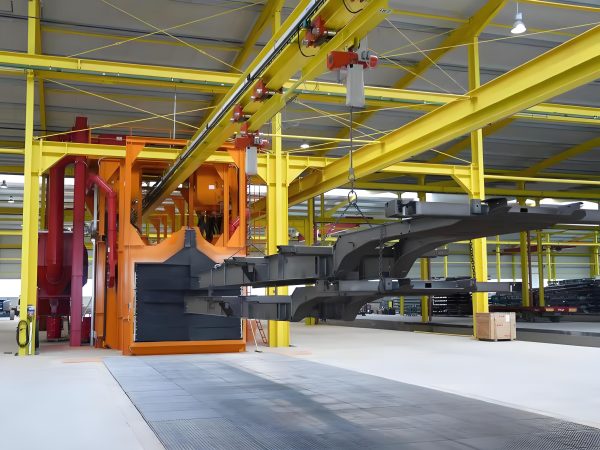
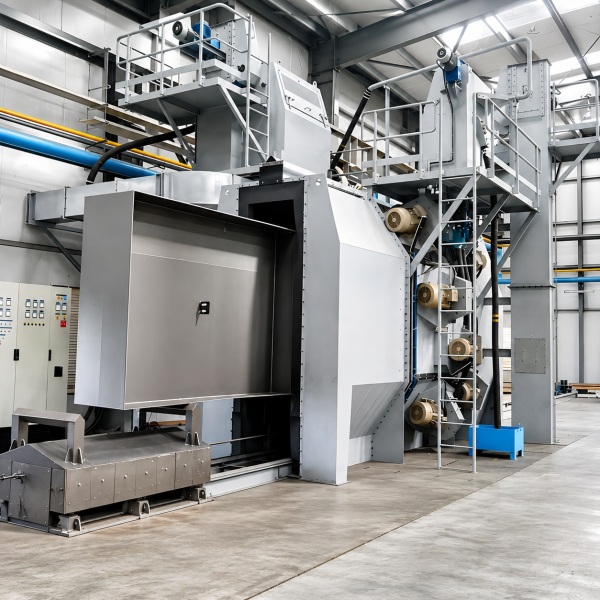
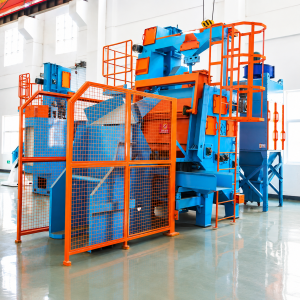
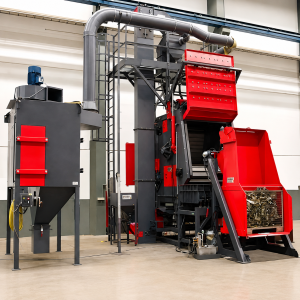
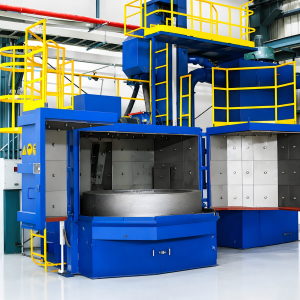
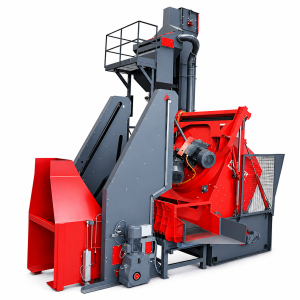
Through-type shot blasting machines are key equipment for the continuous cleaning of steel plates, structural sections, steel pipes, and fabricated steel components. Workpieces are placed on a roller conveyor and continuously pass through the blasting chamber, providing high production efficiency and a high degree of automation.

Request a Quote

Product Overview

The operating reliability of the entire machine depends primarily on the roller conveyor system and the inlet/outlet sealing system. Under high-temperature and high-humidity conditions in some countries and regions, three common failures are frequently seen: aging and cracking of roller sleeves, corrosion and elongation of conveyor chains, and wear-through at the bottom of inlet/outlet sealing curtains. These issues can easily lead to steel shot leakage, excessive workshop dust, and increased abrasive consumption.

Direct Shipping from the Nearest Warehouse: A full range of spare parts, including conveyor rollers, roller sleeves, conveyor chains/sprockets, inlet and outlet sealing curtains, cleaning brushes, and blow-off devices, are kept in stock at our domestic and overseas warehouses. Standard models can be shipped directly from the nearest warehouse within 3–5 days. Custom roller conveyor systems with non-standard roller spacing or roller diameters can also be manufactured according to drawings.

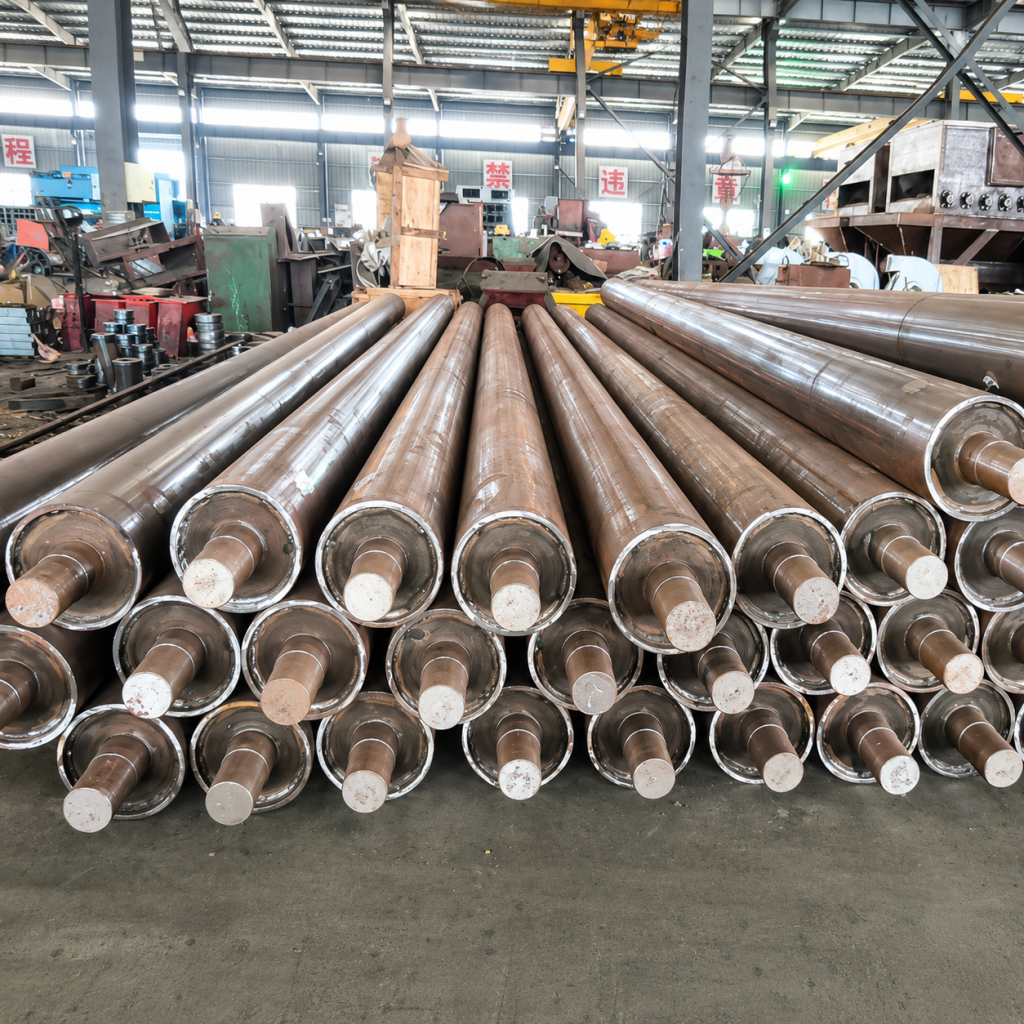
Material Selection & Wear Resistance: The roller body is made from seamless steel pipe or welded steel structure with quenching and tempering treatment. Roller sleeves are available in high-chromium cast iron, polyurethane-coated, or wear-resistant rubber versions. High-chromium sleeves offer longer service life but generate more operating noise; polyurethane-coated sleeves are well suited for thin plates and help prevent impact damage; rubber sleeves are more cost-effective but generally require more frequent replacement.

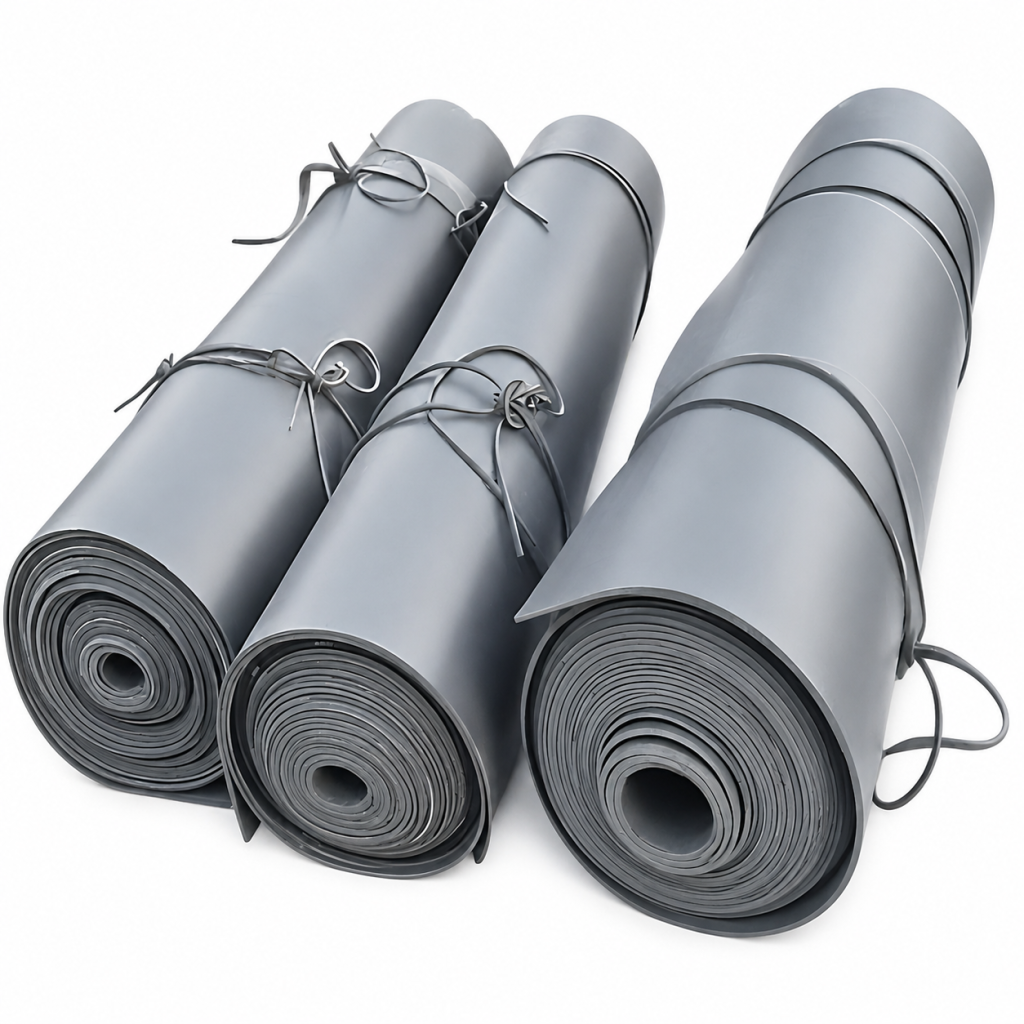
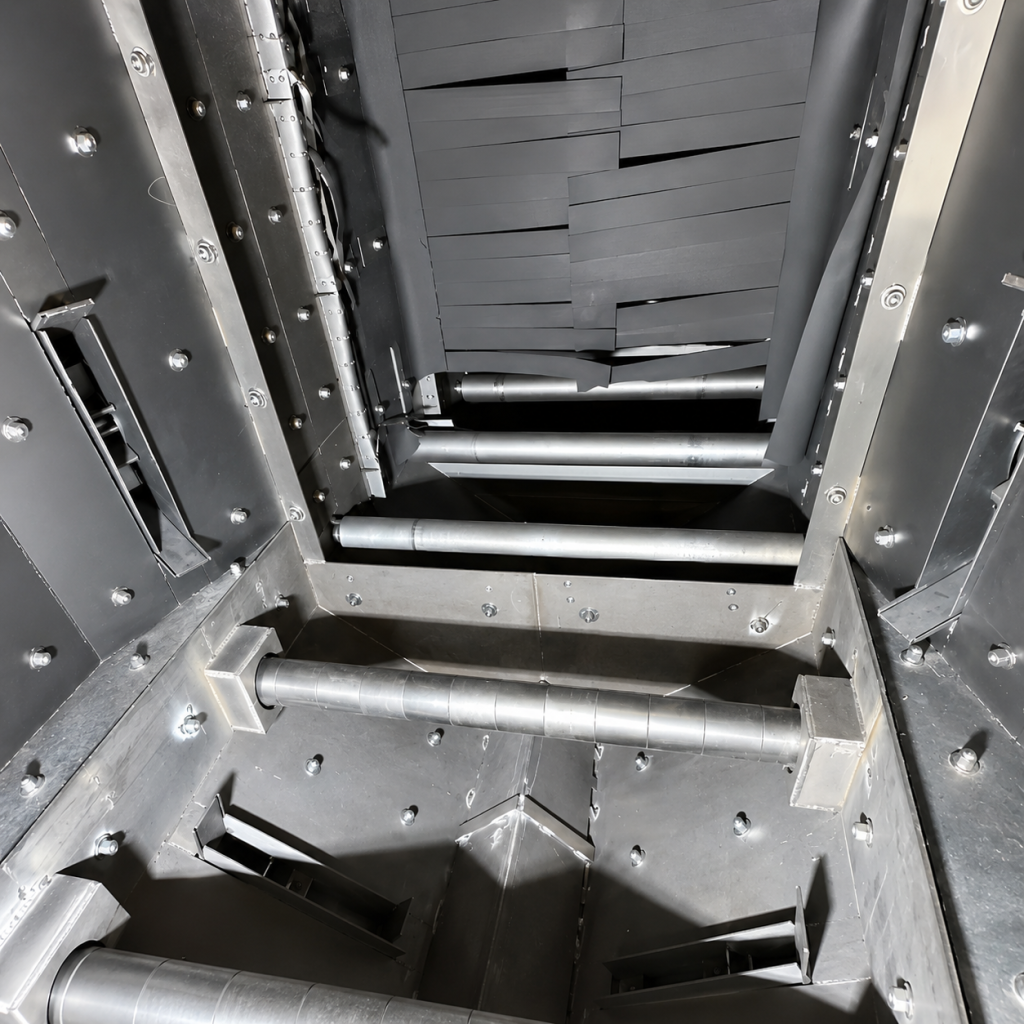
The sealing curtains use a multi-layer wear-resistant rubber sheet structure, allowing individual layers to be replaced separately to reduce maintenance costs. Blow-off air knives are made from aluminum alloy or stainless steel and feature an adjustable blowing angle.

Key Tips for Energy Saving and Extended Service Life

  • Check the roller sleeves every day for displacement, cracking, or detachment. If even one sleeve fails, the roller body may be directly exposed to steel shot impact and can suffer severe wear in a short period of time.
  • Check the conveyor chain tension every week. If the chain pitch elongation exceeds 2%, adjust the tensioning device. Chain skipping can damage the chain and may also cause workpieces to slip or run off-center on the roller conveyor.
  • Clean accumulated steel shot and oxide scale from the bottom of the inlet and outlet sealing curtains before each shift. Continuous friction from accumulated debris can accelerate abnormal wear-through of the sealing curtains.
  • Clean the air inlet filter screen of the blow-off fan every week. In some countries and regions with high dust concentrations, a clogged filter can reduce airflow, preventing residual steel shot from being completely removed from the workpiece surface and potentially affecting the adhesion of subsequent paint or coating.
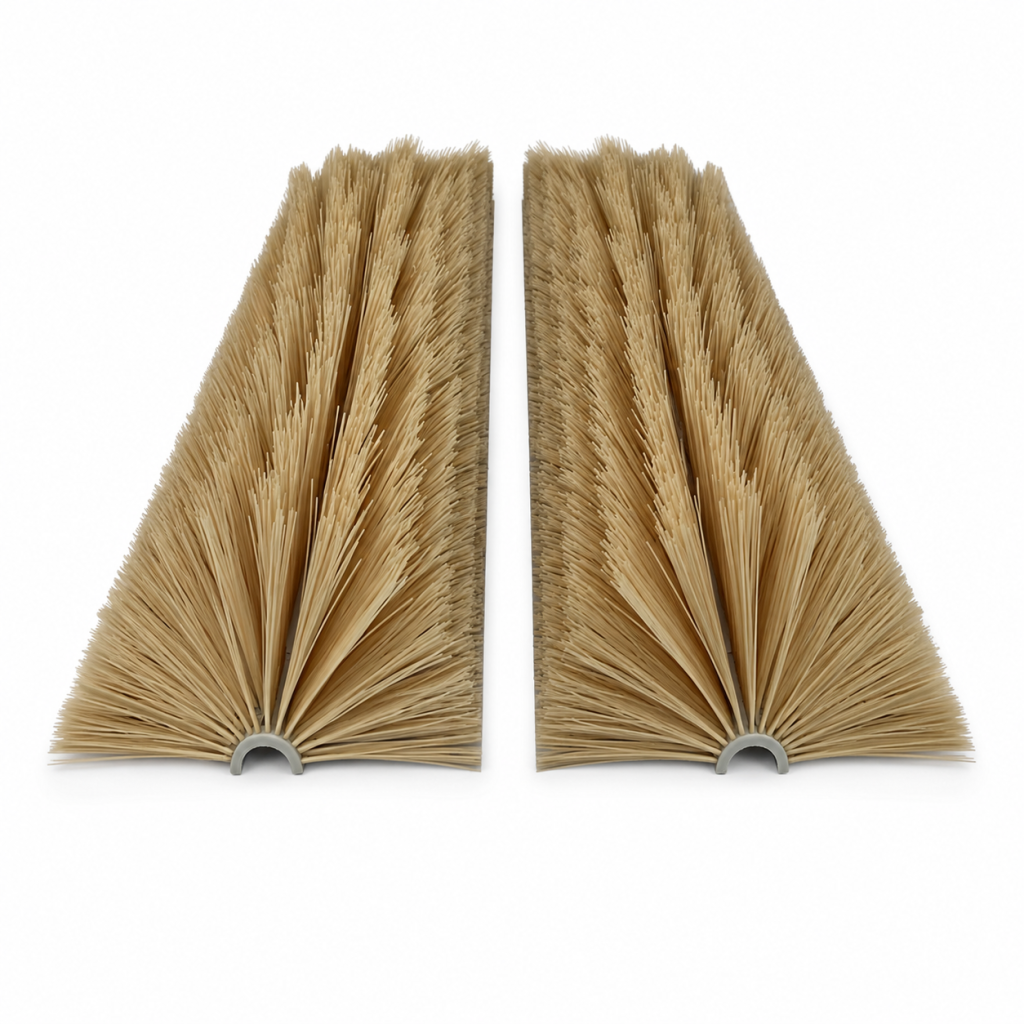
  • Inspect the cleaning brush bristles every month. If bristle wear exceeds 50%, replacement is recommended to prevent a decline in cleaning performance.

Quick Troubleshooting Guide

Get a Quote
Workpiece Runs Off-Center or Jams on the Roller Conveyor?

Check whether all rollers are running at consistent speeds. Inspect for uneven conveyor chain tension, excessive resistance caused by a damaged individual roller bearing, or one-sided wear of a roller sleeve that has created a tapered surface.

Severe Wear-Through and Steel Shot Leakage at the Bottom of the Inlet/Outlet Sealing Curtains?

Remove accumulated steel shot from the bottom of the sealing curtains promptly. Make sure the sealing system has at least 3 effective curtain layers, and check whether oversized or excessively wide workpieces are striking and damaging the curtains.

Steel Shot Still Remains on the Workpiece After Blow-Off?

It is recommended to set the air knife at an angle of 30–45° to blow across the workpiece surface. Check for a clogged fan filter, slipping drive belt, or other causes of insufficient airflow. Also inspect the blow-off chamber for air leakage.

Roller Conveyor Motor Current Is Too High or the Motor Overheats?

Check whether any roller bearing is seized, whether the conveyor chain is over-tensioned, and whether the workpieces are overloaded or excessively accumulated on the conveyor.