Global Surface Treatment Equipment & System Solutions — Since 2002

久昌机械
Get a Quote
Global Surface Treatment Equipment & System Solutions — Since 2002
久昌机械

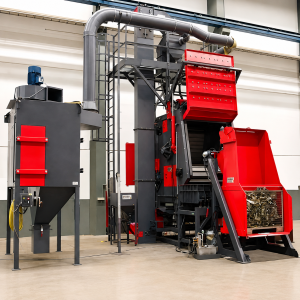
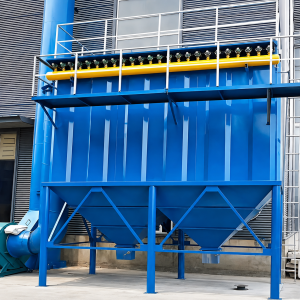
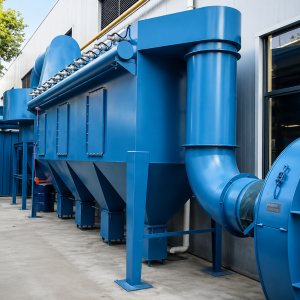
High-Efficiency Pulse-Jet Dust Collection for Industrial Ultra-Low Emissions
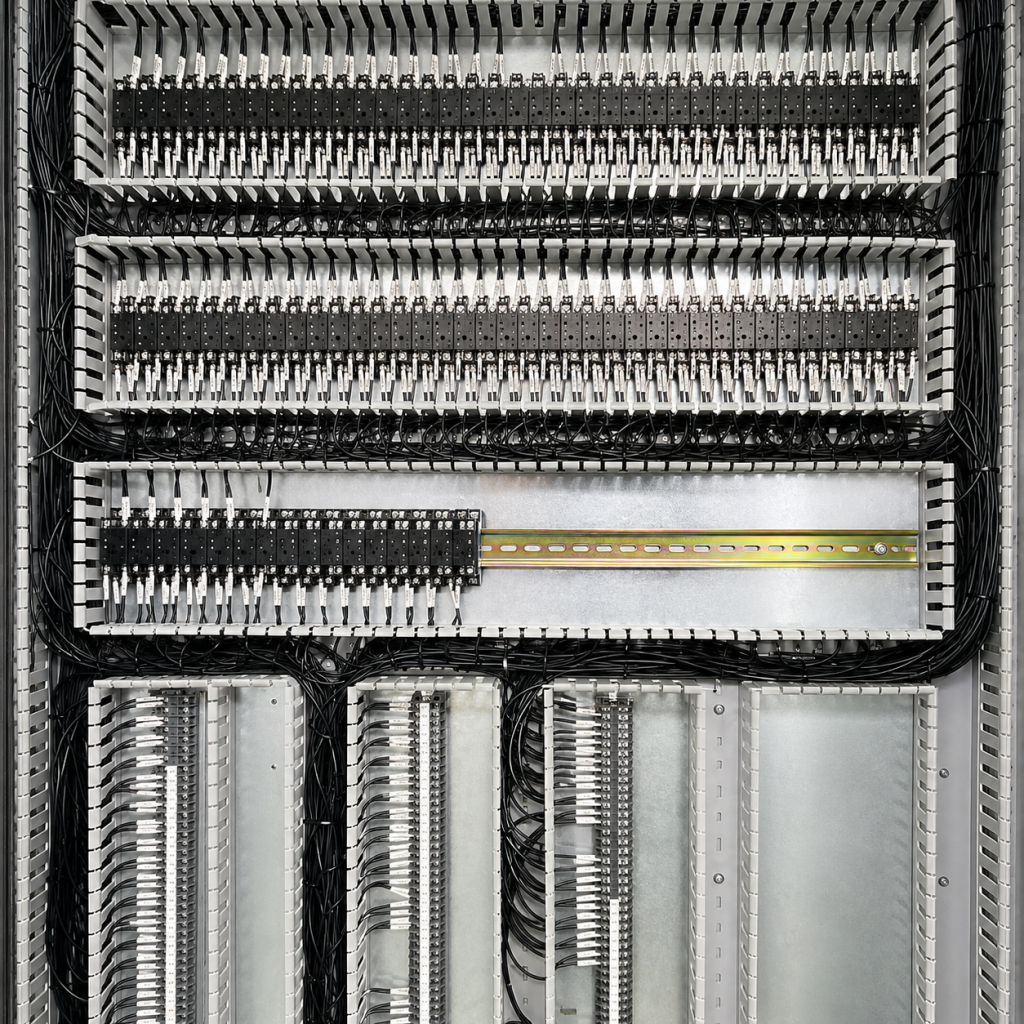
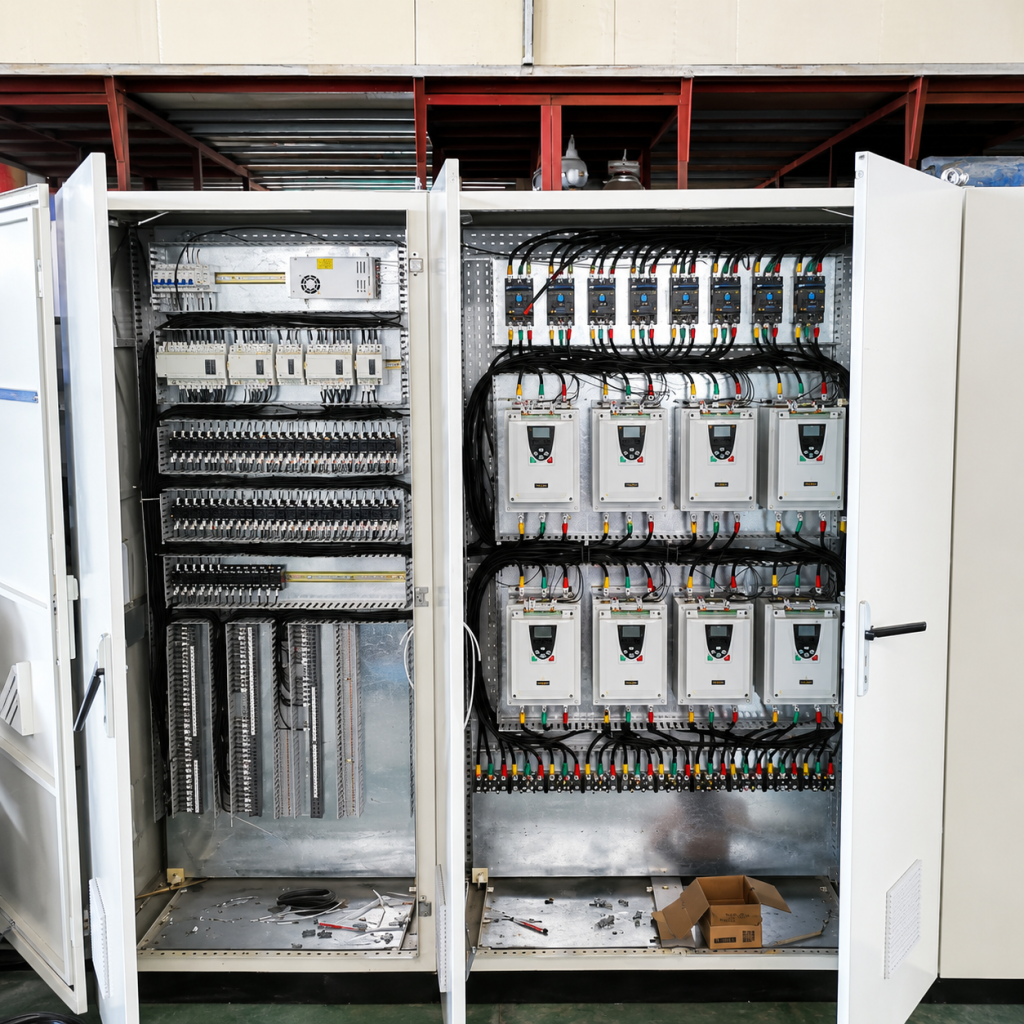
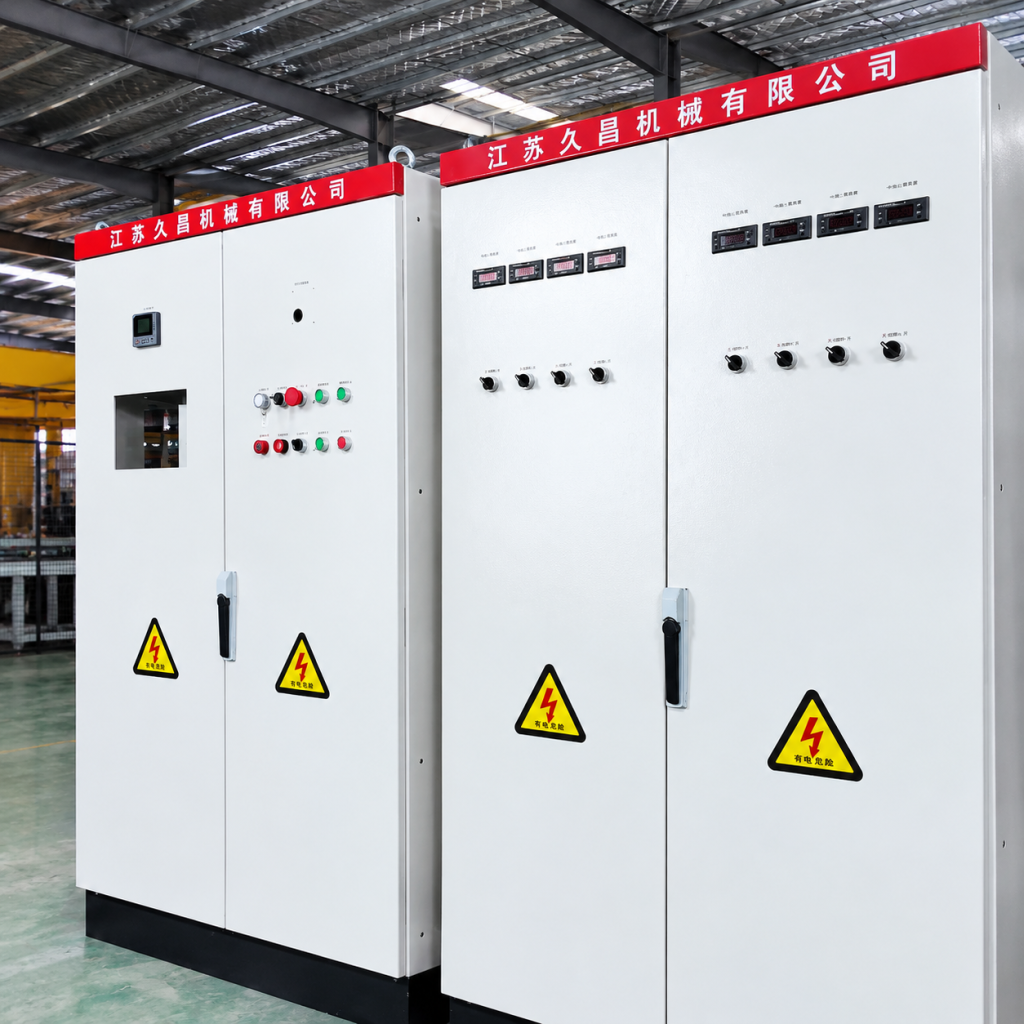
The electrical control and pneumatic systems are the machine's nervous system and brain. No matter how robust the mechanical structure is, the entire machine will come to a standstill if the electrical controls fail.
In some countries and regions, power-grid fluctuations are significant and humidity becomes extremely high during the rainy season. Condensation inside electrical control cabinets, reduced motor insulation, and corrosion of solenoid valves are three persistent problems. The electrical and pneumatic parts we supply are specifically reinforced in terms of protection rating and environmental resistance to ensure stable machine operation under tropical conditions.
Inventory and Shipping:
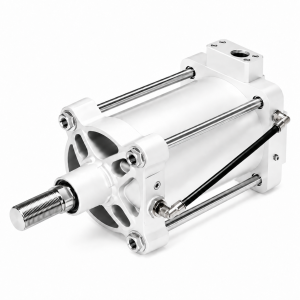
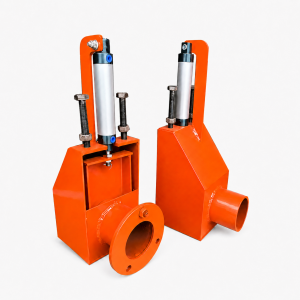
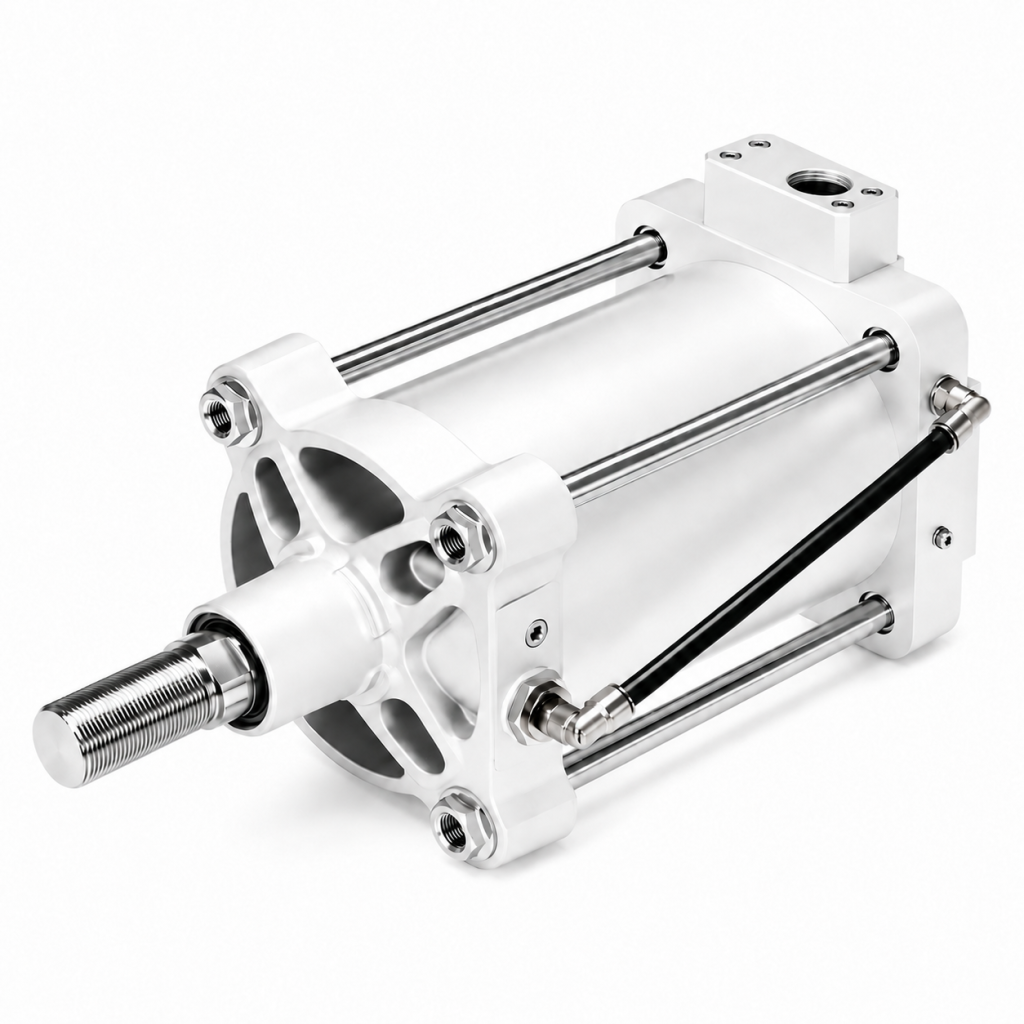
Bearings (brands can be specified), seals, solenoid valves, pneumatic cylinders, motors, gearboxes, and other parts are routinely kept in stock and can be dispatched within 3-7 days. For control components such as programmable logic controllers (PLCs) and HMI touchscreens, we provide program backup services and remote assistance to restore operation after replacement.
Materials and Standards:
Bearings are supplied as standard with metal dust shields or rubber seals (2RS) to provide effective protection in high-dust environments. Solenoid valves use an all-brass valve body and an FKM rubber diaphragm for resistance to moisture and oil. Motors are available with protection ratings of IP55 or higher and can be equipped with an independent cooling fan for continuous operation in high-temperature environments.
Check whether the supply voltage is stable. Voltage fluctuations are significant in some parts of Southeast Asia, so installing a voltage stabilizer is recommended. Check whether the cooling fan is blocked by dust, and check whether the motor has been operating under sustained overload.
Check whether the compressed-air supply contains water and drain the oil-water separator. Check whether the diaphragm has aged or cracked; FKM rubber performs better than ordinary rubber in high-humidity environments. Check whether the coil has short-circuited because of moisture.
Check whether the grease has emulsified or deteriorated, which is common under high-temperature, high-humidity conditions. Check whether the main shaft is bent, and check whether the bearings have reached the end of their service life.
Check whether the oil seal has aged; check whether the breather is blocked by dust, causing internal pressure to rise and the seal to fail; and check whether the oil level is too high, as thermal expansion at elevated temperatures can cause overflow.

English

Hindi

Indonesian

Russian

Spanish

Thai

Vietnamese