Global Surface Treatment Equipment & System Solutions — Since 2002

久昌机械
Get a Quote
Global Surface Treatment Equipment & System Solutions — Since 2002
久昌机械
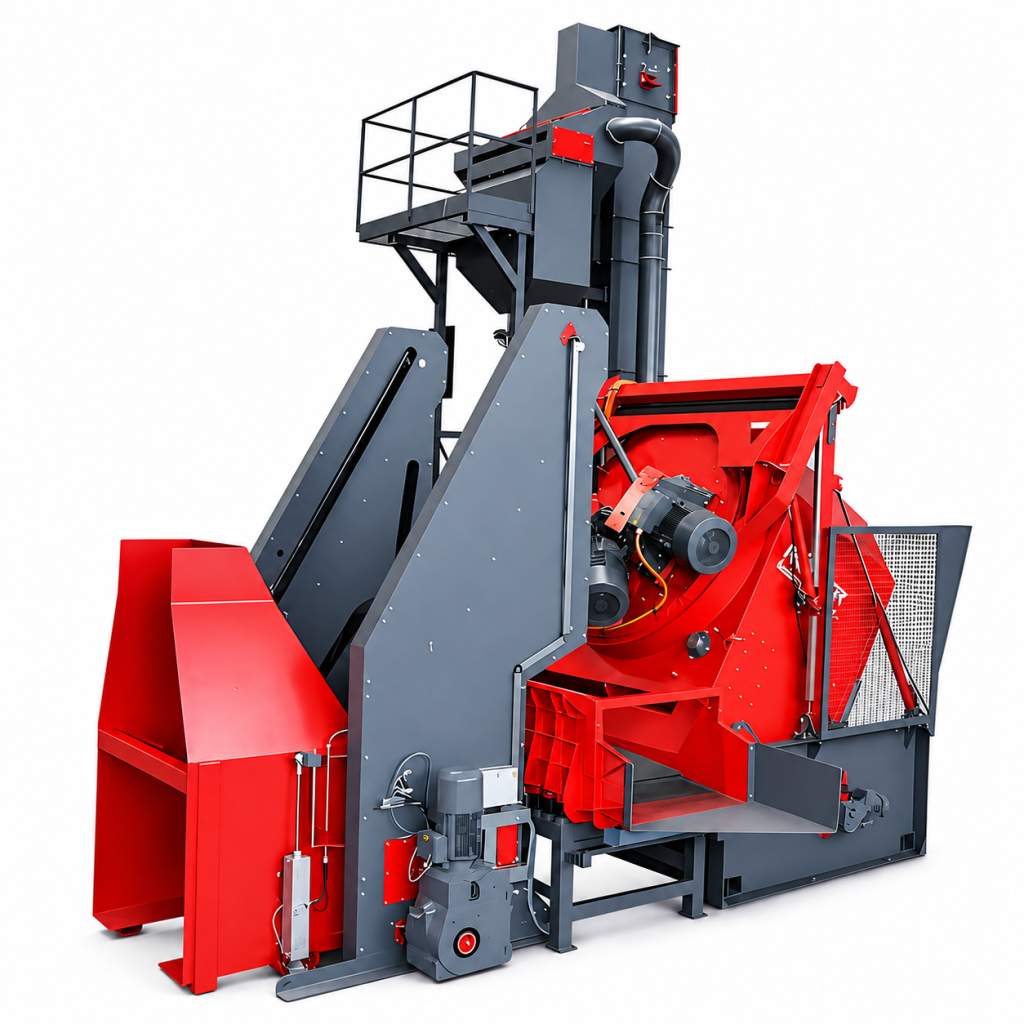
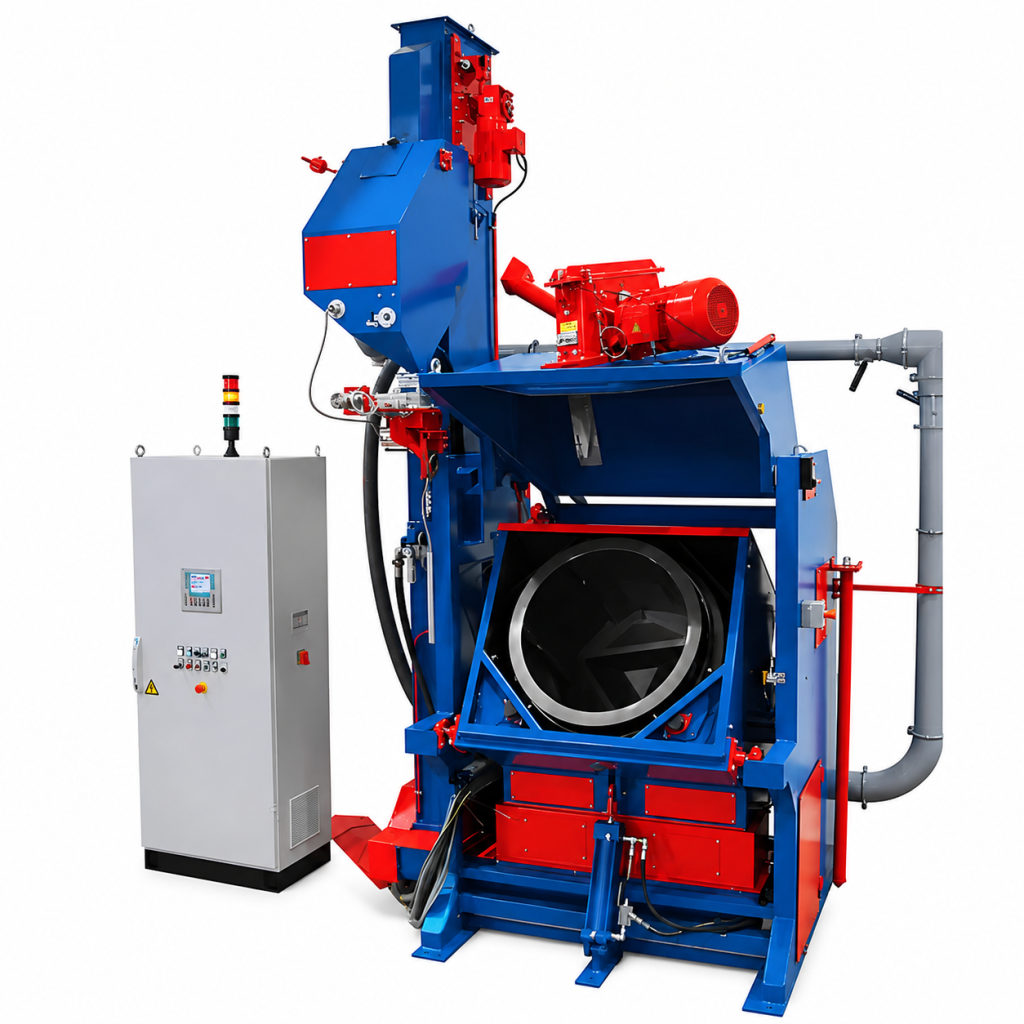
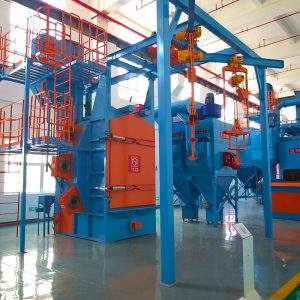
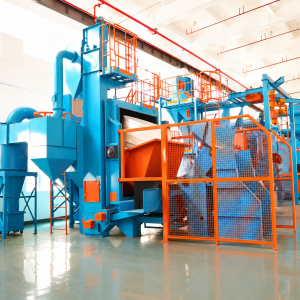
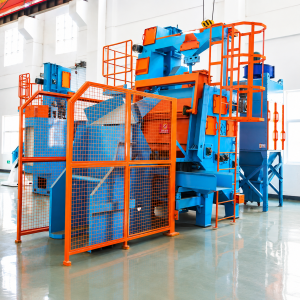
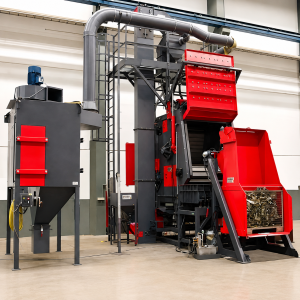
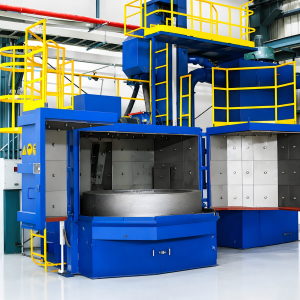
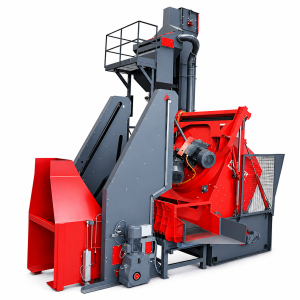
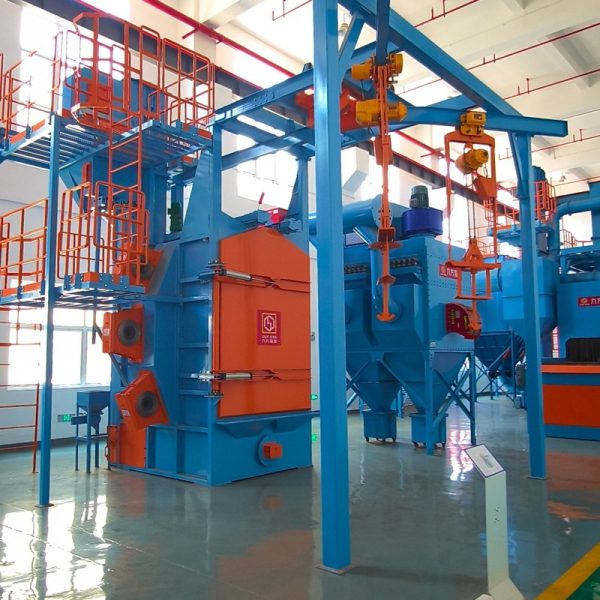
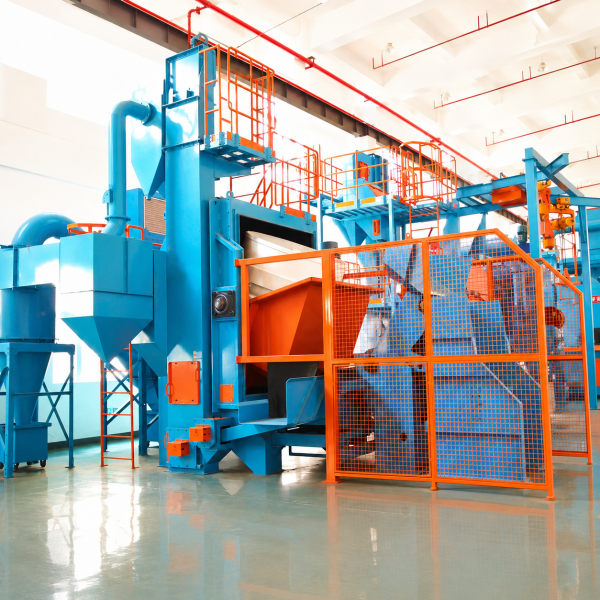
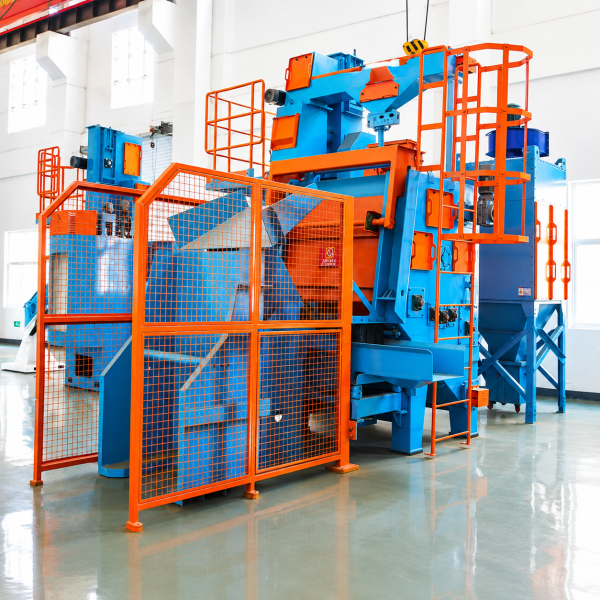
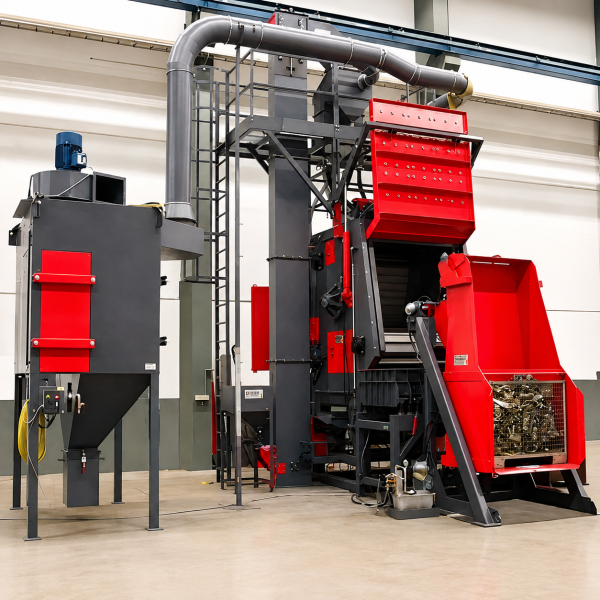
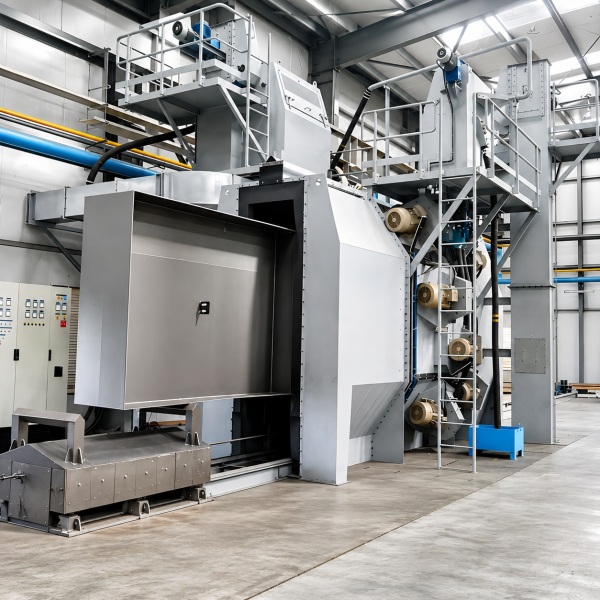
Drum-type shot blasting machines use the rotation of the drum to continuously tumble the workpieces, ensuring uniform shot blasting and cleaning. With a compact structure and cost-effective investment, they are ideal for high-volume processing of small parts.
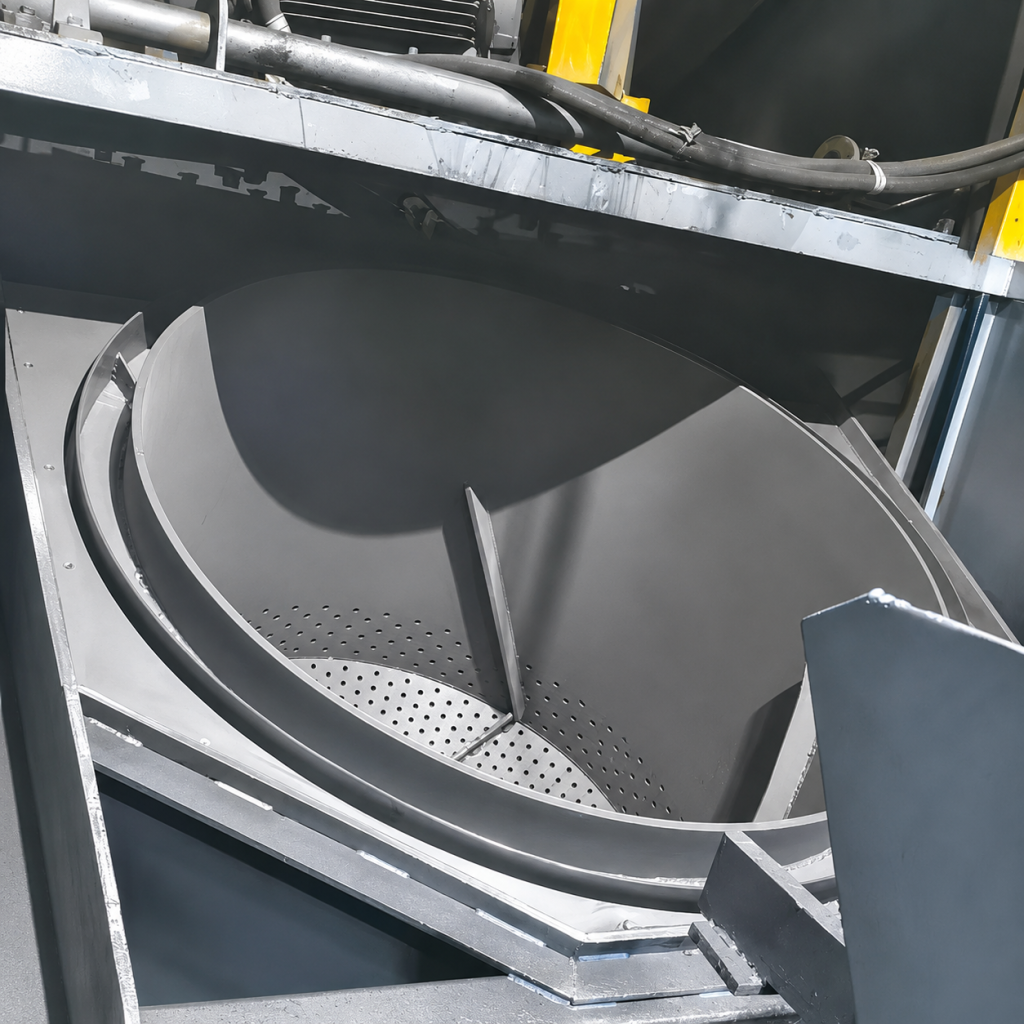
Unlike track-type machines, drum-type shot blasting machines rely on lifting ribs inside the drum to raise the workpieces and allow them to fall, forming a continuous curtain of parts that is exposed to the steel shot stream. In high-humidity operating environments in some countries and regions, typical problems include corrosion on the back of the drum liners, dust and moisture contamination of support roller bearings, and lubrication failure on the meshing surfaces of the large drive gear. If the drum operates out of balance, it may generate severe machine vibration, potentially causing progressive damage to both the foundation and the transmission system.
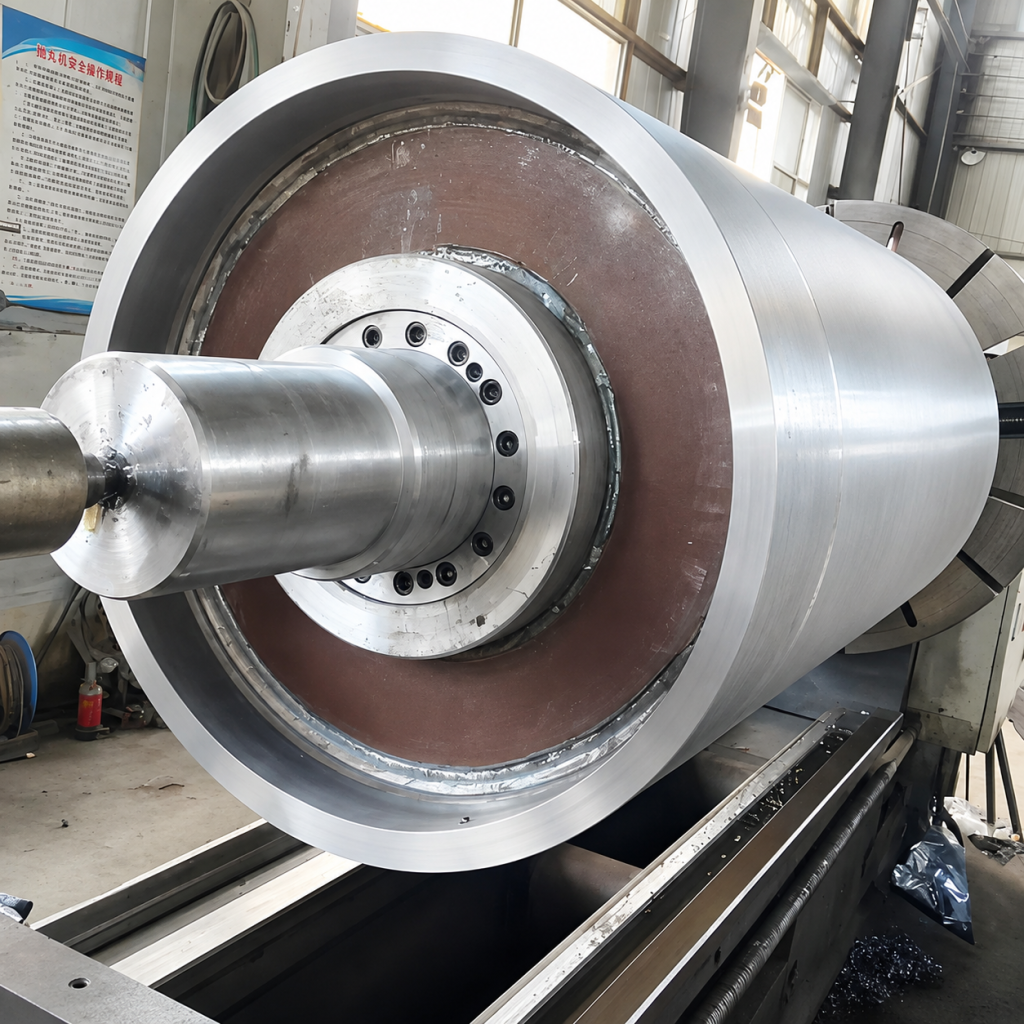
Direct Shipping from the Nearest Warehouse: Drum liners/lifting ribs, drum support rollers, support roller bearing housings, large drive gears/ring gears, and inlet/outlet door sealing strips are kept in stock at our domestic and overseas warehouses. Standard models can be shipped directly from the nearest warehouse within 5–7 days. Complete drum assemblies and non-standard ring gears can also be customized according to customer drawings.
Material Selection & Wear Resistance: Drum liners and lifting ribs are made of high-manganese steel or high-chromium cast iron, with a thickness of 20–30 mm. The height of the lifting ribs is optimized to ensure an appropriate workpiece lifting angle and uniform tumbling. Support rollers are manufactured from 45# steel (C45/1045), quenched and tempered with surface induction hardening, providing high surface hardness, good core toughness, and strong load-bearing capacity. The large drive gear is made from forged 40Cr alloy steel or cast steel, with induction-hardened tooth surfaces, ensuring high meshing accuracy and low operating noise.
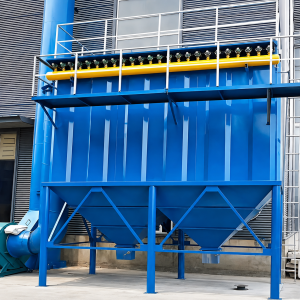
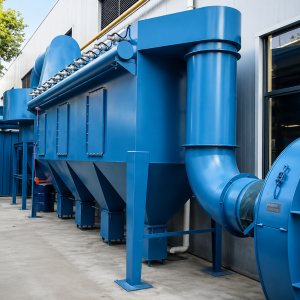
The basic dust collection efficiency is 99.5%-99.9%, and routine emissions are stably below 10 mg/m3, meeting mainstream exhaust regulations in China, Europe, North America, and Southeast Asia. For ultra-low-emission regions, membrane filter media can be upgraded, with third-party test reports and compliance documents supplied for overseas environmental assessment and factory audit requirements.
Filtration velocity is a core selection parameter. Dry, coarse shot blasting dust can use 1.0-1.2 m/min, while ultrafine or sticky dust such as welding fume and chemical powder should use 0.6-0.8 m/min. Excessive velocity accelerates filter-bag wear and increases operating resistance. We provide free working-condition calculations to match the optimal velocity and lower long-term maintenance cost.
Under standard conditions, filter bags generally last 1-3 years. Overtemperature gas, high humidity, acidic flue gas, and overly frequent pulse jetting can shorten service life. Export units use filter media based on imported substrates and can be shipped with a spare-bag list and batch spare parts to support uninterrupted overseas production.
Standard polyester filter media is suitable up to 120 deg C. Aramid can handle 200 deg C, and fiberglass can handle up to 260 deg C. For overtemperature flue gas, a front cold-air valve or water-cooling unit can be supplied. Cooling interfaces can be reserved at the factory for integrated delivery and reduced risk of filter-media heat damage.
Standard jetting pressure is 0.4-0.6 MPa, the jetting cycle is 60-120 s, and each pulse lasts 0.1-0.2 s. The electrical controls support an English panel and automatic differential-pressure adjustment. Parameters can be tuned remotely according to local air-source pressure and dust characteristics, without requiring specialist technicians on site.
A DMC-48 unit requires about 4-6 m2, with approximate dimensions of 1.5 m x 1.2 m x 4.5 m. A DMC-128 unit requires about 10-15 m2, with approximate dimensions of 3.5 m x 2.5 m x 6 m. The equipment can be split into modules for export and optimized for container loading. Maintenance and ash-discharge access are reserved, and English installation drawings and foundation drawings can be supplied.
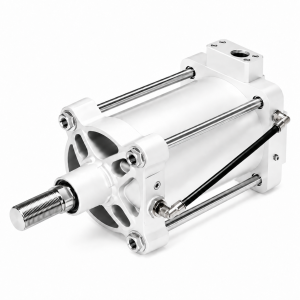
Core wear parts include filter bags, pulse valves, venturis, discharge cylinders, and controllers. A 5%-10% spare filter-bag stock is recommended at delivery, and pulse valves are rated for at least one million cycles. We provide global cross-border spare-parts dispatch, English O&M manuals, and annual preventive maintenance plans.
For overseas inquiries, please provide required air volume, inlet dust concentration, dust type, flue gas temperature, humidity, corrosiveness, local emission limits, plant dimensions, and power supply voltage. We can provide an English selection proposal, 3D layout drawing, and cost estimate free of charge.

English

Hindi

Indonesian

Russian

Spanish

Thai

Vietnamese