Global Surface Treatment Equipment & System Solutions — Since 2002

久昌机械
Get a Quote
Global Surface Treatment Equipment & System Solutions — Since 2002
久昌机械
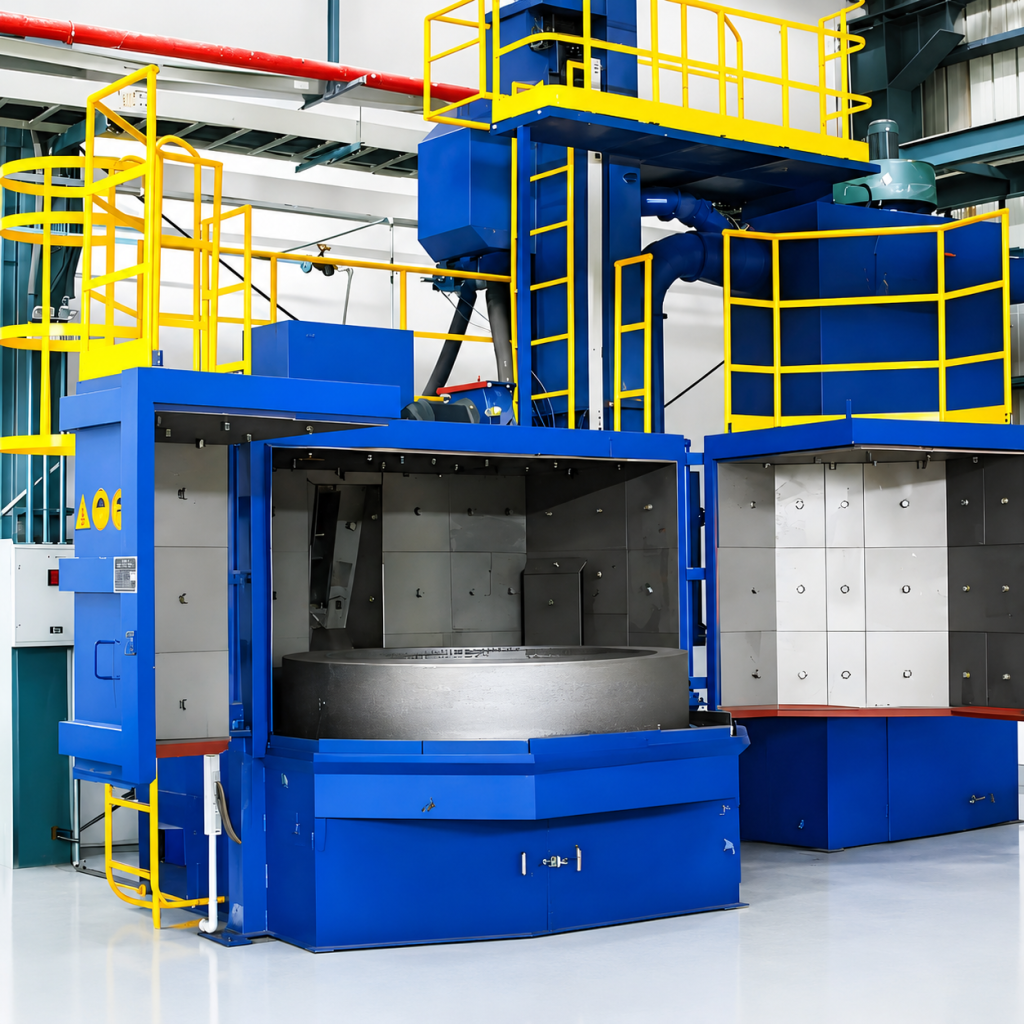
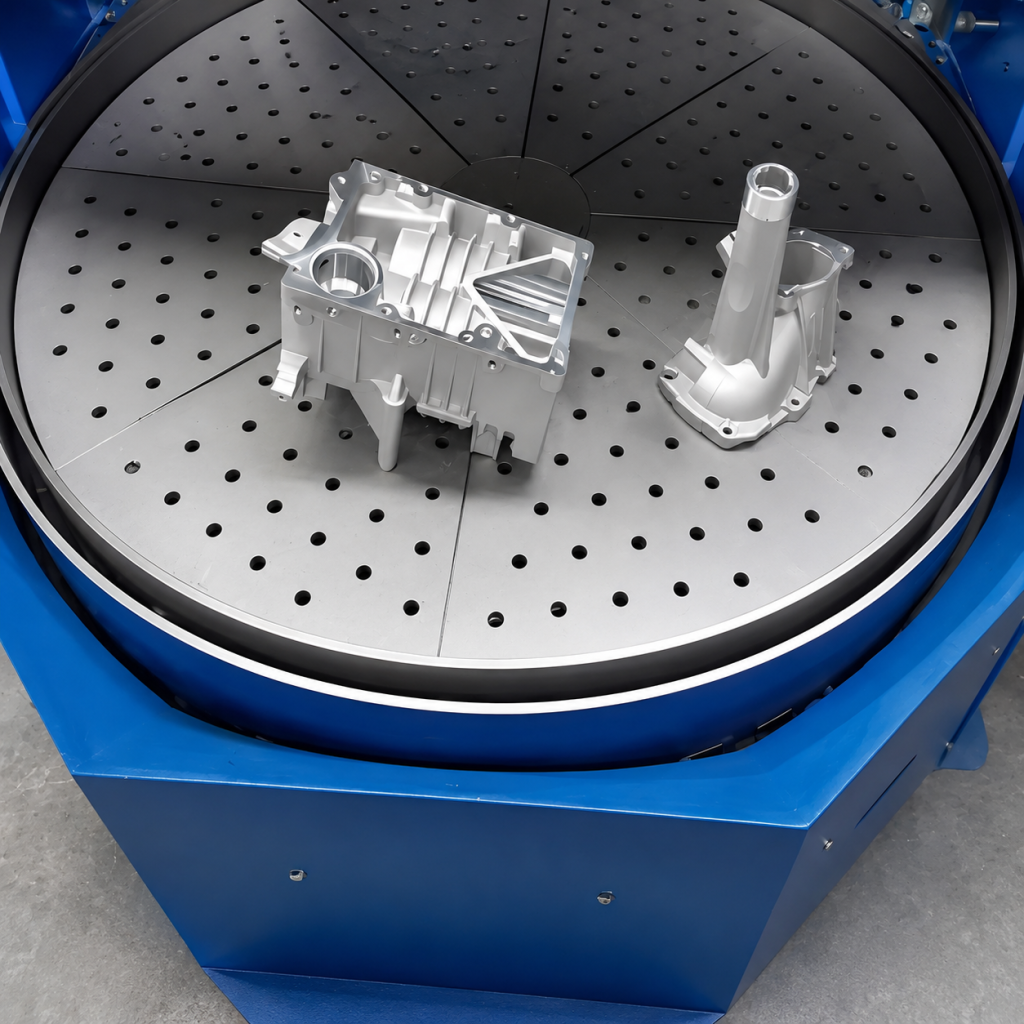
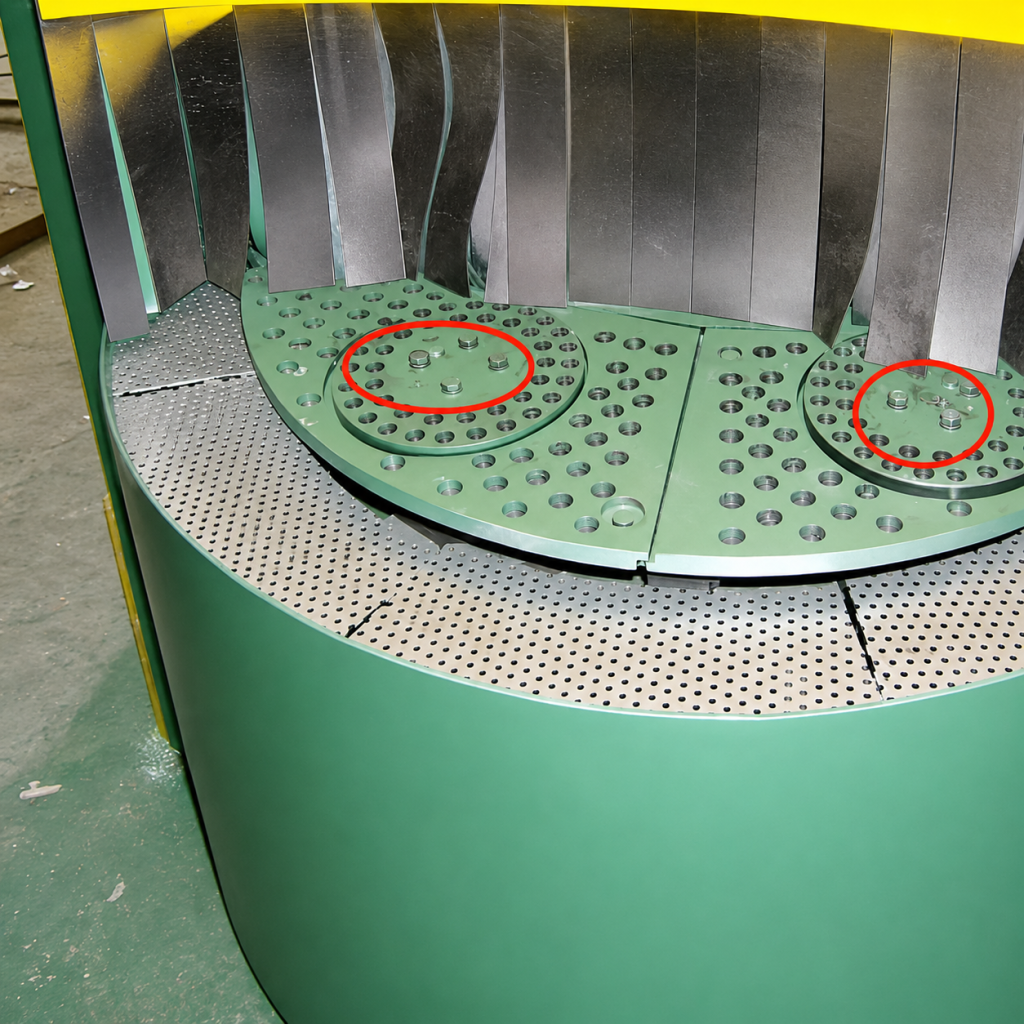
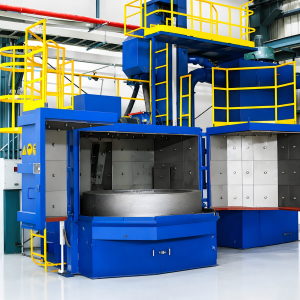
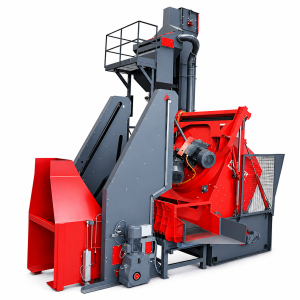
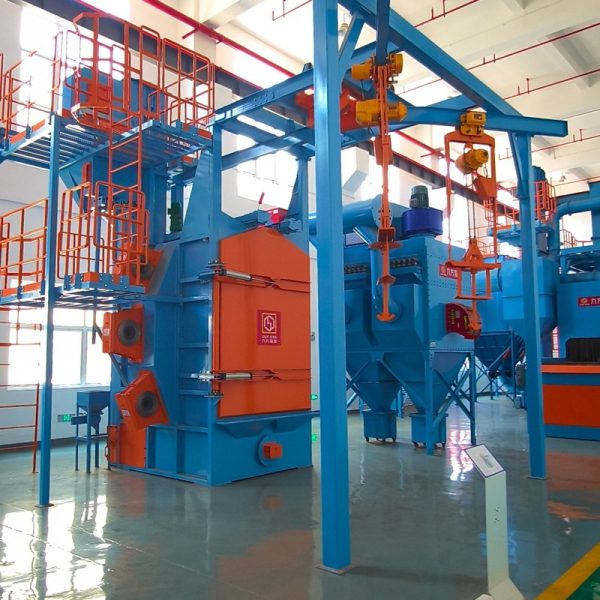
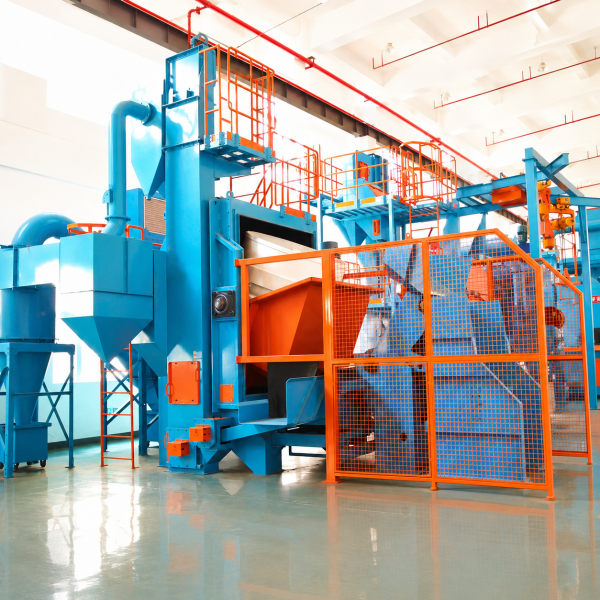
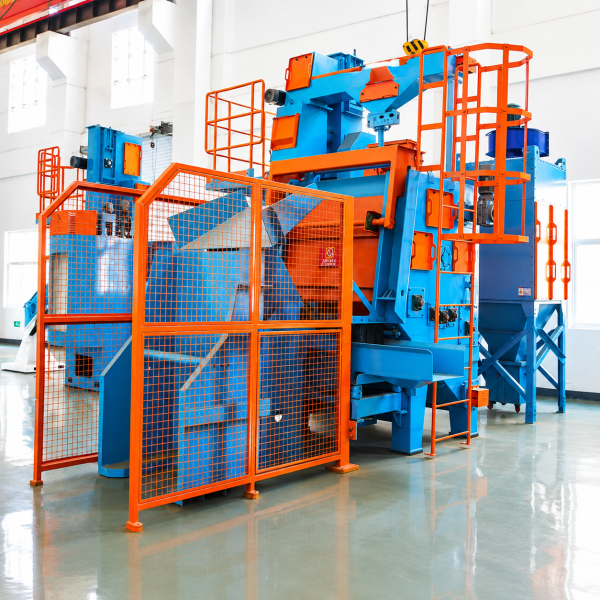
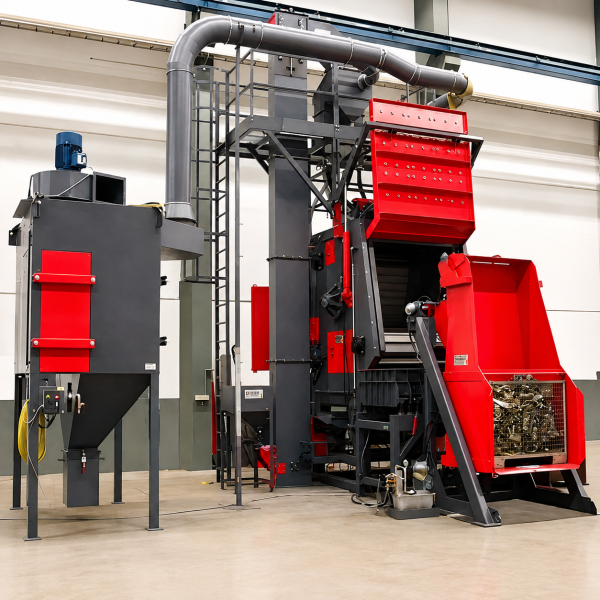
Rotary table shot blasting machines use a large-diameter rotating table to support and rotate workpieces during blasting. They are widely used for cleaning the surfaces and edges of gears, discs, flanges, and other flat components. Turntable diameters are available from 800 to 3000 mm, providing all-around cleaning with no blind spots and convenient loading and unloading of workpieces.
The core components of the machine are the slewing bearing and the rotary table drive system. In high-dust and high-humidity environments in some countries and regions, abrasive contamination entering the slewing bearing and grease emulsification can cause the turntable to rotate unevenly, produce abnormal noise, or even seize completely in severe cases. Once the turntable sealing ring deteriorates, steel shot may enter the lower bearing area, causing serious damage to the slewing bearing and drive gears. The sealing and lifting condition of the chamber door also directly affect operating efficiency.
Direct Shipping from the Nearest Warehouse: Turntables/rotary tables, slewing bearings, rotary table drive units, segment liners, sealing rings, and chamber door assemblies are stocked in our domestic and overseas forward warehouses. Standard models can be shipped directly from the nearest warehouse within 5–7 days. Large slewing bearings and non-standard diameter turntables can also be customized.
Material Selection & Wear Resistance: The turntable is fabricated from Q345 low-alloy steel plate with stress-relief annealing after welding to ensure good flatness. The slewing bearing is made from 50Mn or 42CrMo steel, with raceway hardness of HRC55–60 after quenching, providing excellent load-bearing capacity and wear resistance. Segment liners are made of high-chromium cast iron and precisely cut and assembled to match the curvature of the turntable. Sealing rings are made from polyurethane or oil-resistant fluororubber (FKM), offering better heat resistance and anti-aging performance than conventional rubber.
The slewing bearing grease may have dried out or become contaminated with abrasive particles. Also check whether foreign objects are trapped in the drive gear meshing area.
Check for loose slewing bearing mounting bolts, long-term unbalanced workpiece loading, seal wear, or excessive sealing clearance caused by turntable settlement.
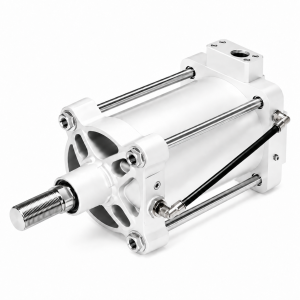
Inspect the pneumatic or hydraulic system for air or oil leakage. Check whether the door guide rails are deformed. Aging sealing strips may also harden or swell, increasing resistance when the door closes.
The turntable speed may be too high, causing the workpiece to move toward the outer edge under centrifugal force and creating a cleaning blind spot near the center. Also verify that the blast wheel throwing pattern is correctly aligned with the center of the turntable.

English

Hindi

Indonesian

Russian

Spanish

Thai

Vietnamese