Global Surface Treatment Equipment & System Solutions — Since 2002

久昌机械
Get a Quote
Global Surface Treatment Equipment & System Solutions — Since 2002
久昌机械
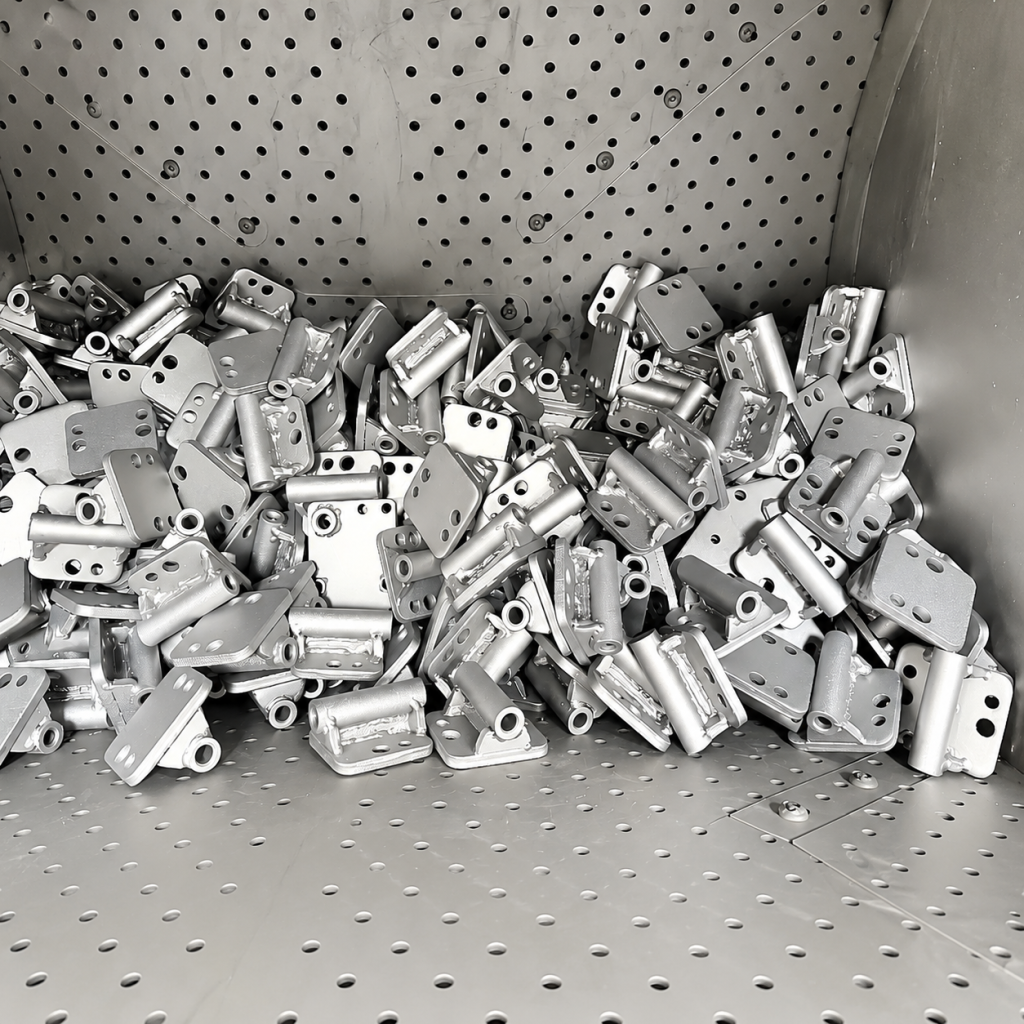
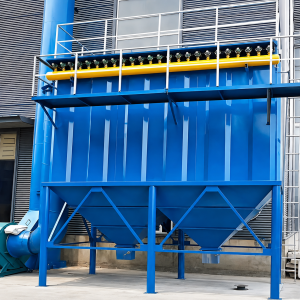
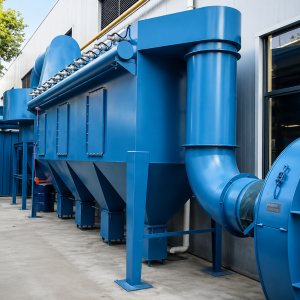
High-Efficiency Pulse-Jet Dust Collection for Industrial Ultra-Low Emissions
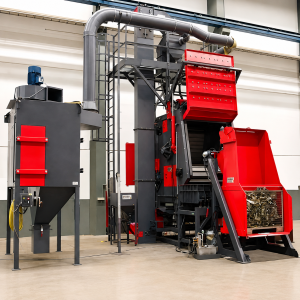
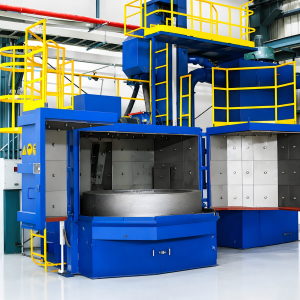
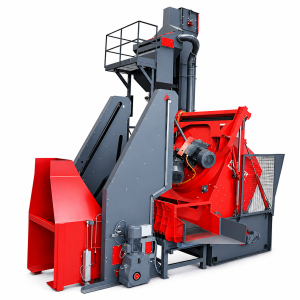
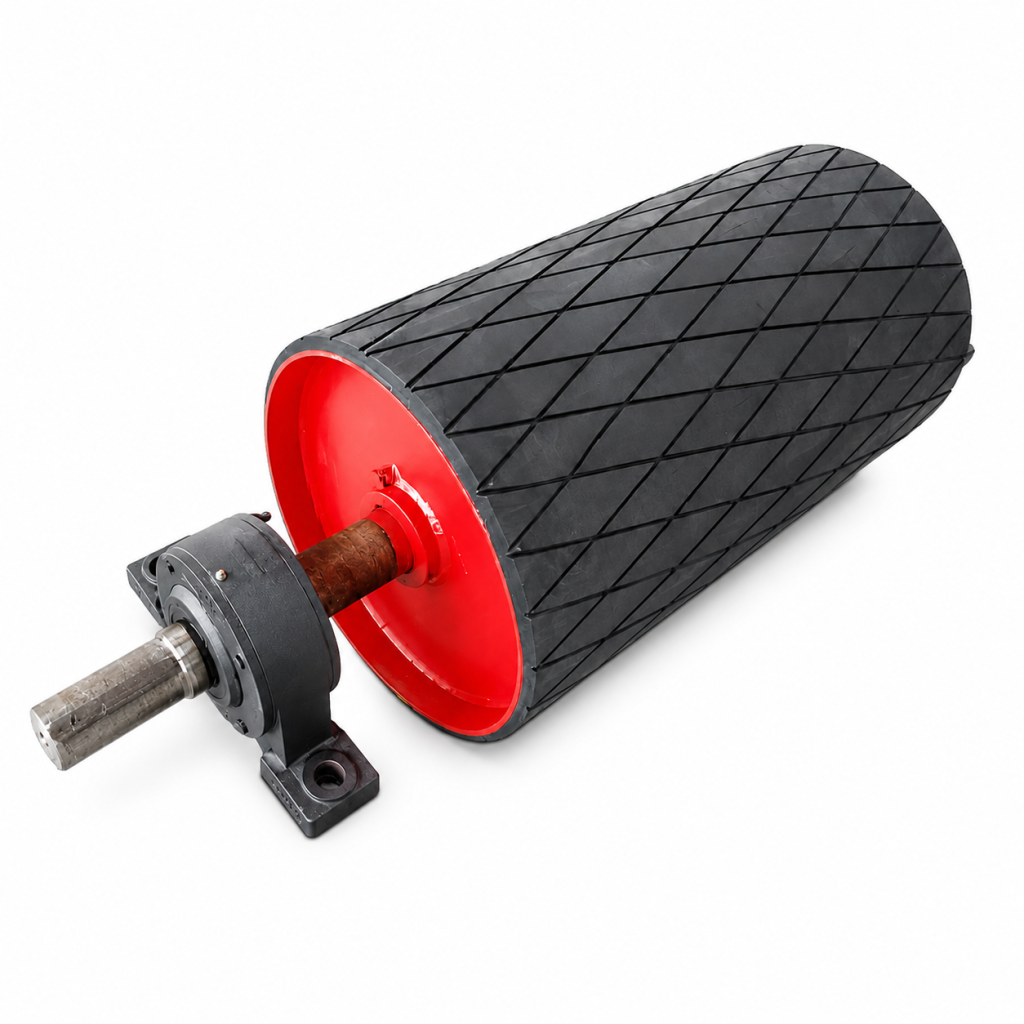
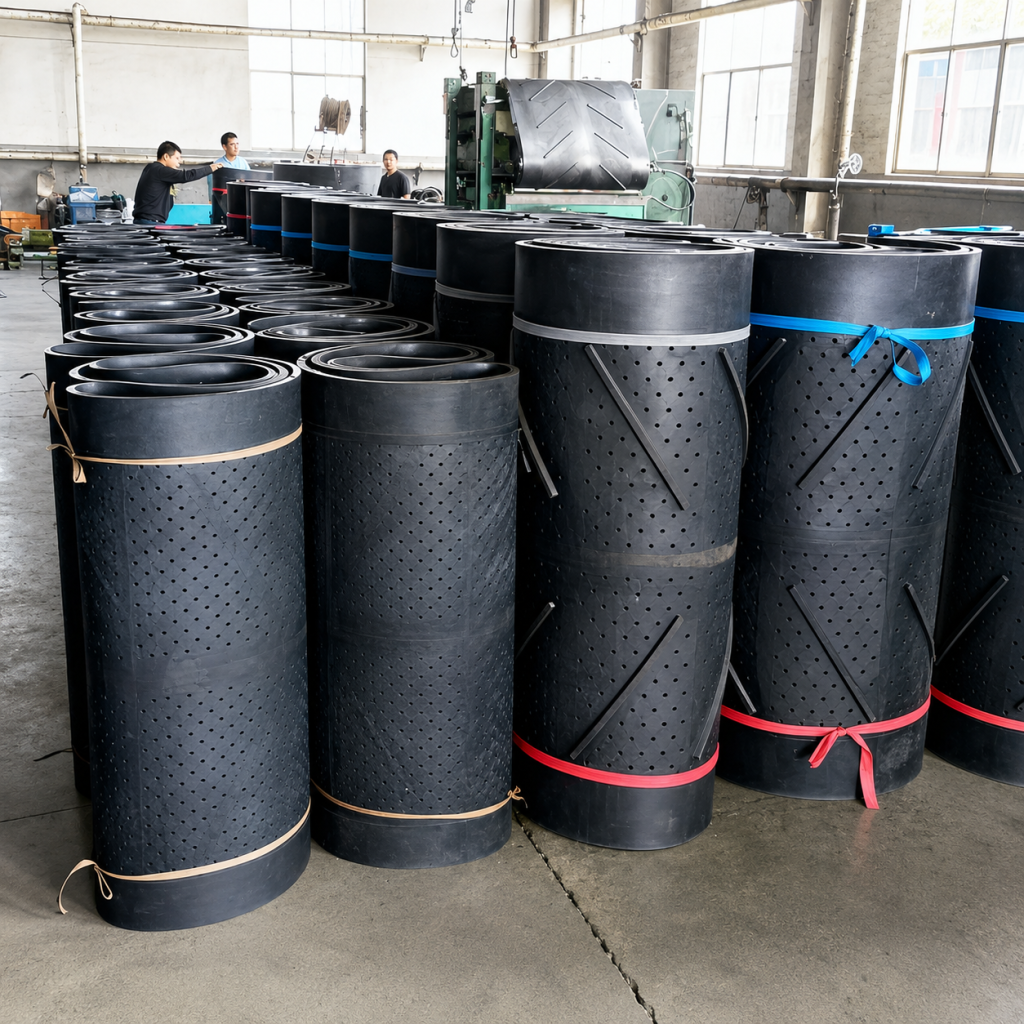
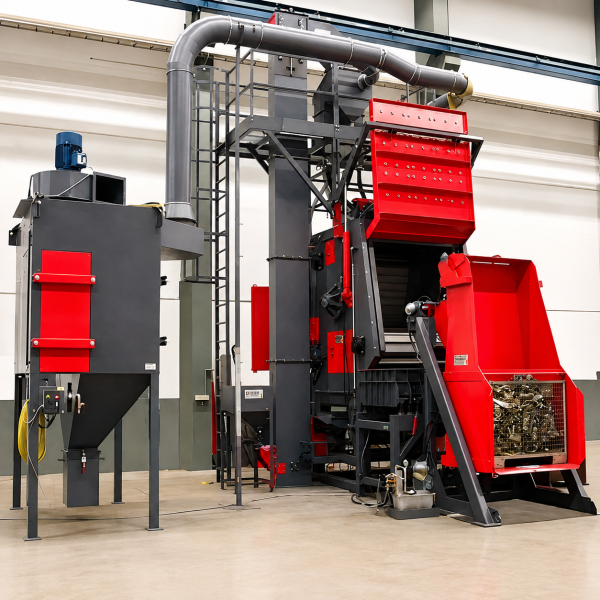
In some countries and regions with year-round high temperatures and high humidity, rubber tracks age significantly faster. Once steel shot absorbs moisture, it can easily adhere to the tread pattern, causing the track to slip or run off-center and accelerating wear. In severe cases, this may even lead to track breakage. At the same time, if the inlet or outlet sealing system fails, large amounts of steel shot and dust may escape, resulting in abrasive loss and workshop contamination. To address these demanding operating conditions, we have upgraded the entire range of track system components for improved moisture resistance, anti-aging performance, and wear resistance.
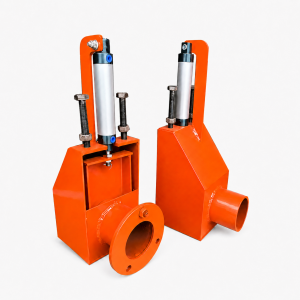
Direct Shipping from the Nearest Warehouse: Our domestic central warehouse and overseas forward warehouses maintain stocks of key dedicated spare parts, including complete rubber track assemblies, steel track plates, end discs, lifting door assemblies, and discharge door assemblies. Once a standard-size order is confirmed, shipment can be arranged directly from the nearest warehouse within 5–7 days. For non-standard track circumferences or special tread patterns, sample-based customization is available, with a typical lead time of 10–15 days.
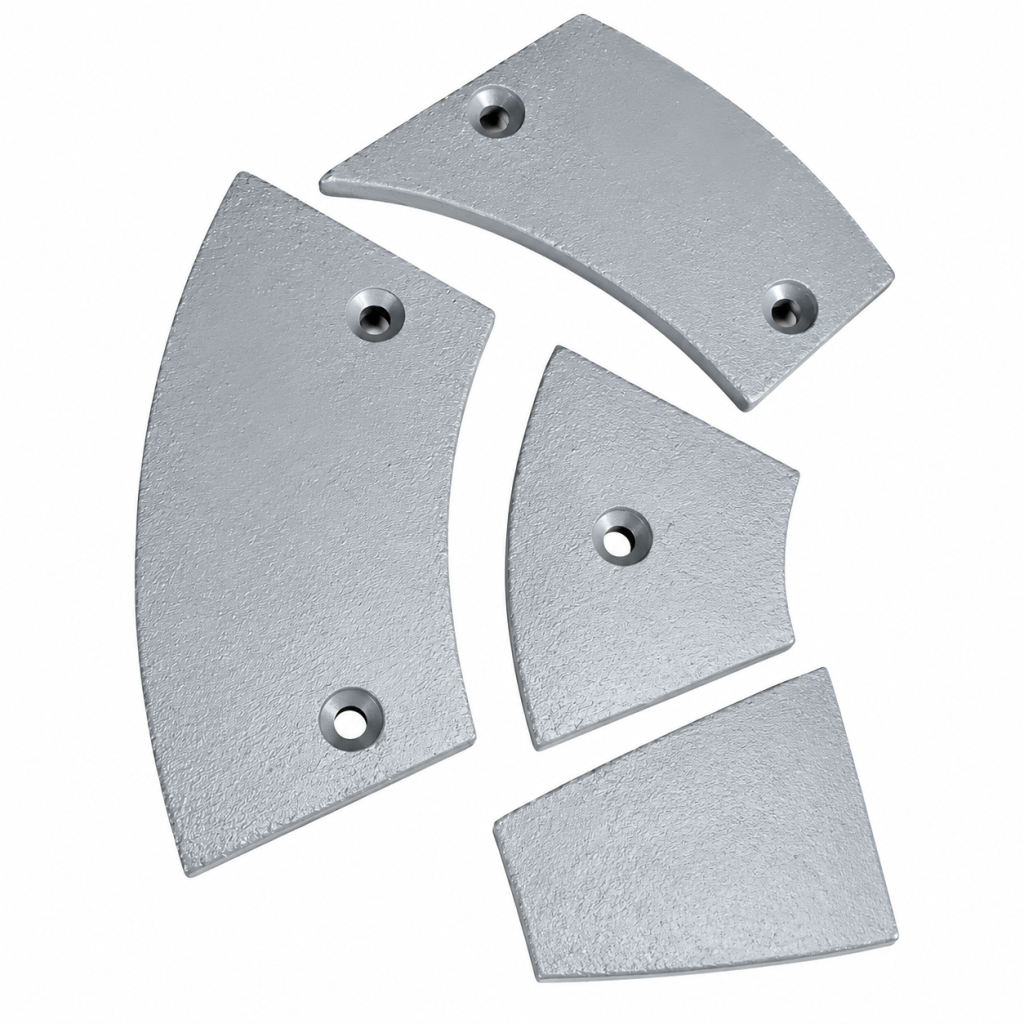
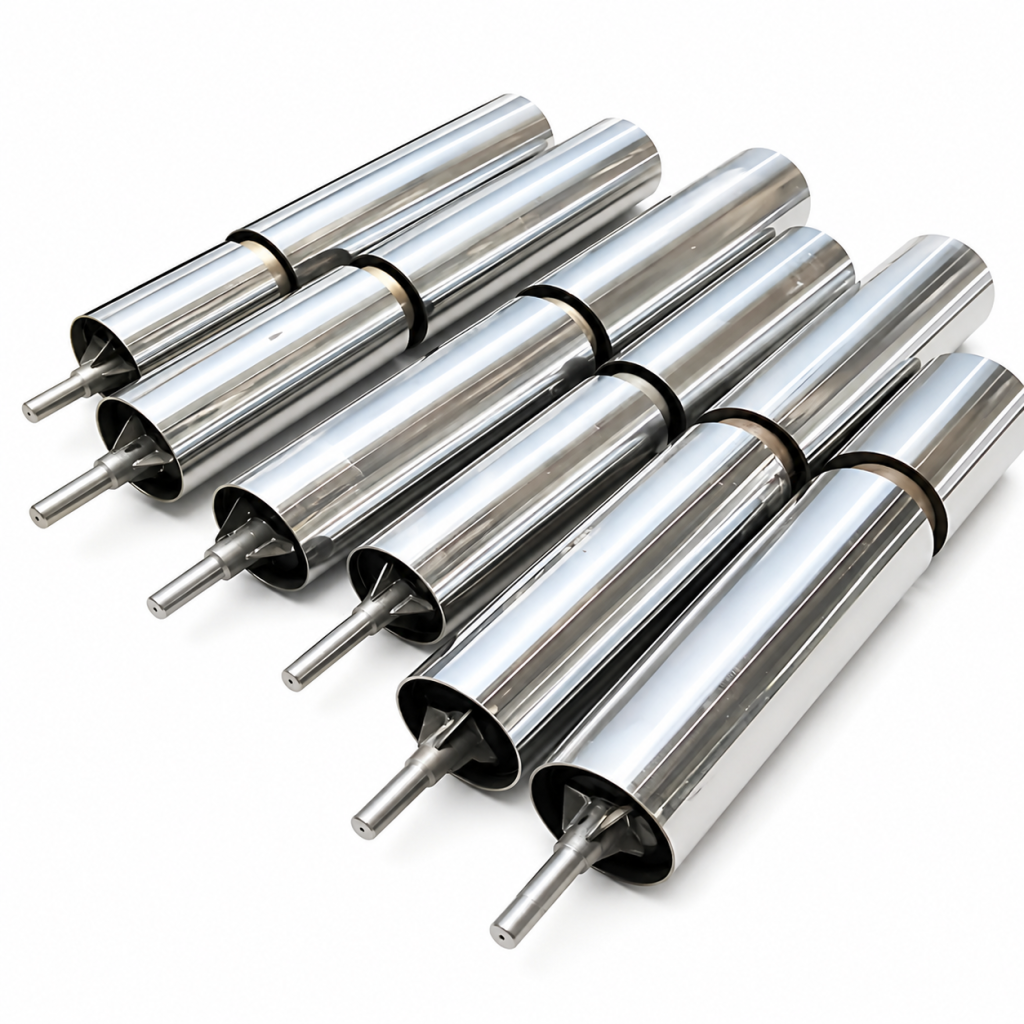
Material Selection & Wear Resistance: Rubber tracks are made from a natural rubber + styrene-butadiene rubber (SBR) compound and reinforced with a high-strength steel cord tensile layer. They can withstand temperatures up to 120°C, while tear resistance is approximately 40% higher than that of conventional rubber tracks. Steel track plates are precision-cast from high-manganese steel or medium-manganese alloy steel, providing an optimal balance of hardness and toughness, with excellent impact resistance and reduced risk of tooth chipping. End discs are made of high-chromium cast iron, with CNC-machined meshing surfaces to ensure smooth engagement and uniform wear.
• Before starting the machine each shift, check the track tension. A sag of 15–20 mm at the middle of the track is recommended. If the track is too loose, it may slip; if it is too tight, it can accelerate fatigue and wear of both the bearings and the track.
• Check the wear on the outer edge of the end disc once a week. If wear exceeds 3 mm, it is recommended to reverse the disc for continued use or replace it to prevent excessive meshing clearance that may cause the track to skip teeth.
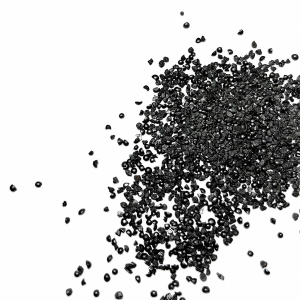
• Keeping the steel shot dry helps extend track service life. Wet shot not only adheres to the track and increases operating load, but may also form mud-like shot deposits between the blast wheel and the track, accelerating wear of the end-disc tooth profile.
• It is recommended to replace the sealing strips on the lifting door and discharge door every quarter. In hot and humid environments in some countries or regions, rubber seals may harden within 3 months. Once the sealing performance deteriorates, escaping steel shot may damage the door lifting mechanism.
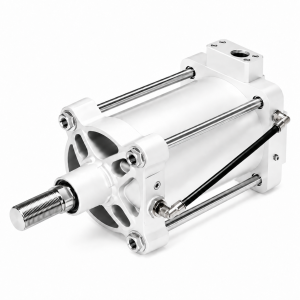
Ensure that the pneumatic system pressure remains stable at 0.4–0.6 MPa. Check whether the door guide rails are deformed, and inspect the sealing strips for hardening, detachment, or damage.

English

Hindi

Indonesian

Russian

Spanish

Thai

Vietnamese