Global Surface Treatment Equipment & System Solutions — Since 2002

久昌机械
Get a Quote
Global Surface Treatment Equipment & System Solutions — Since 2002
久昌机械
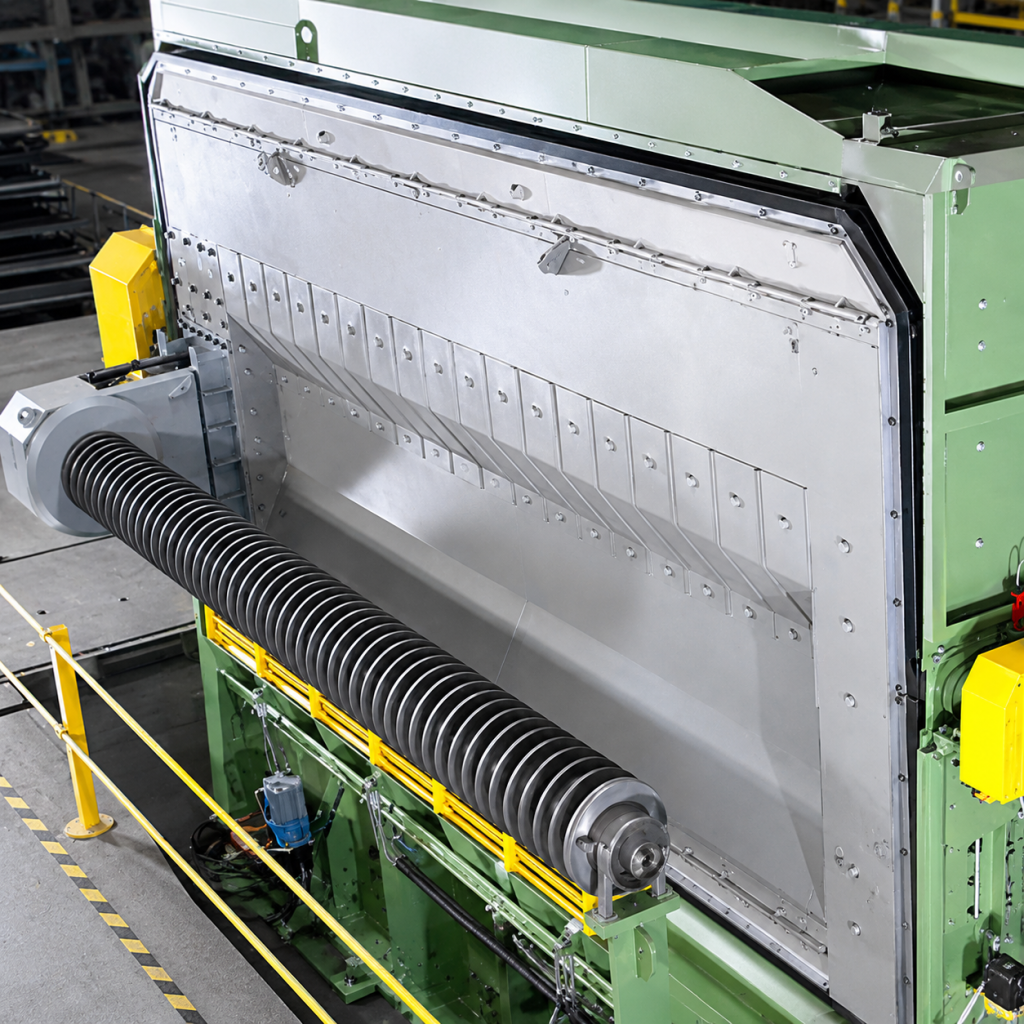
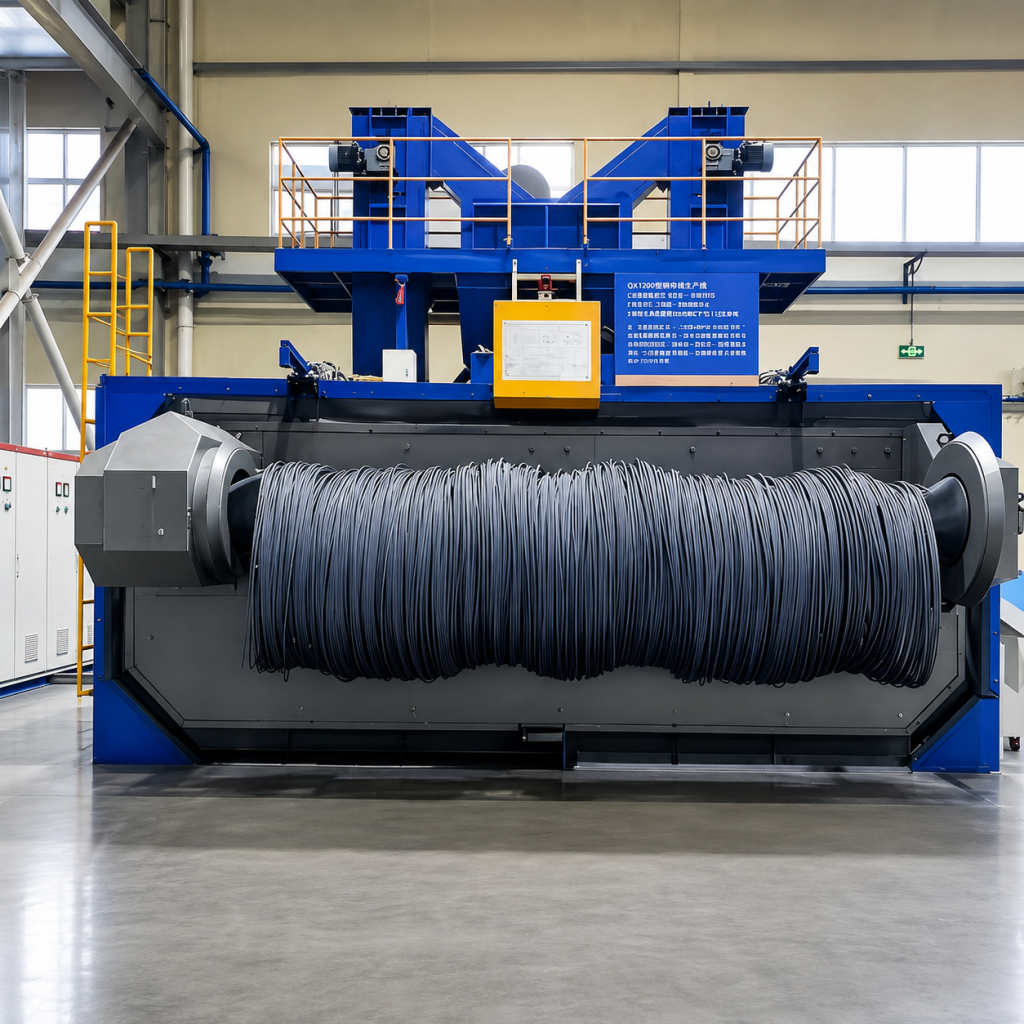
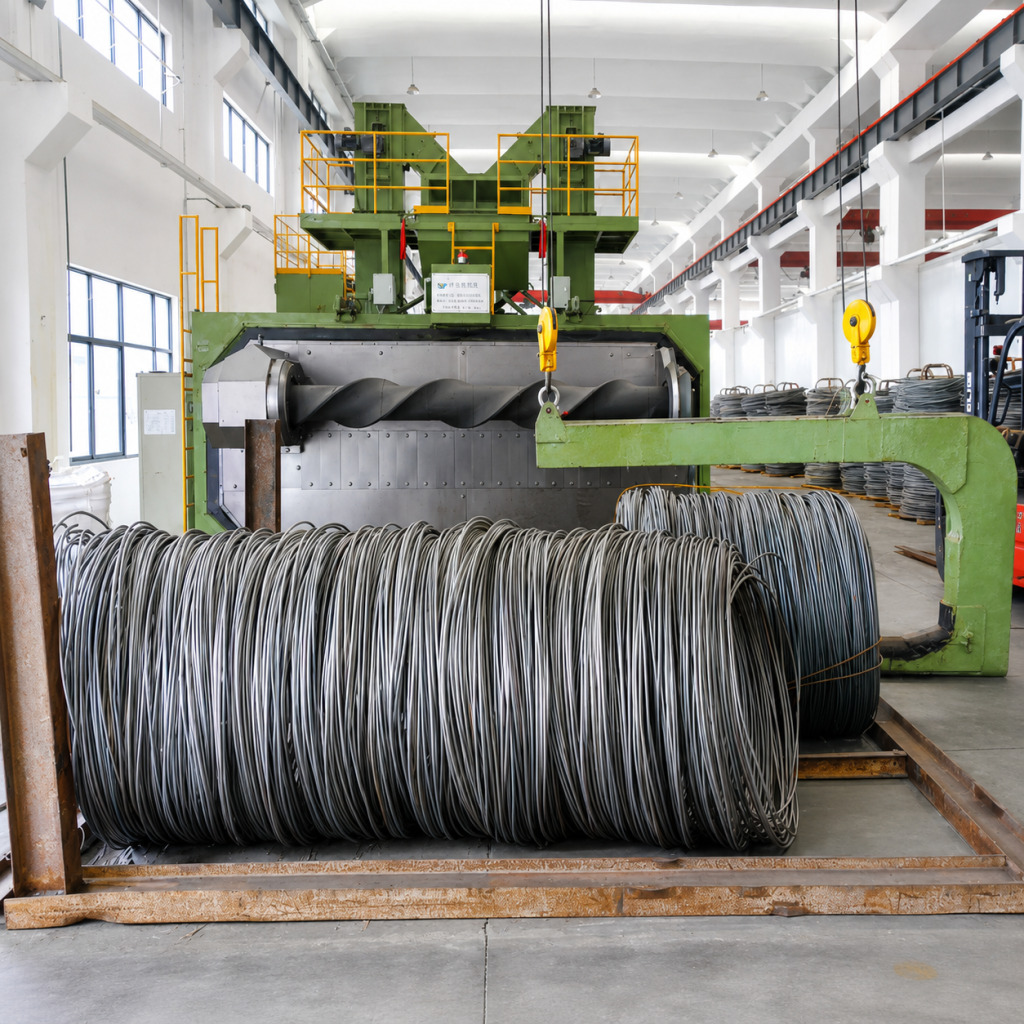
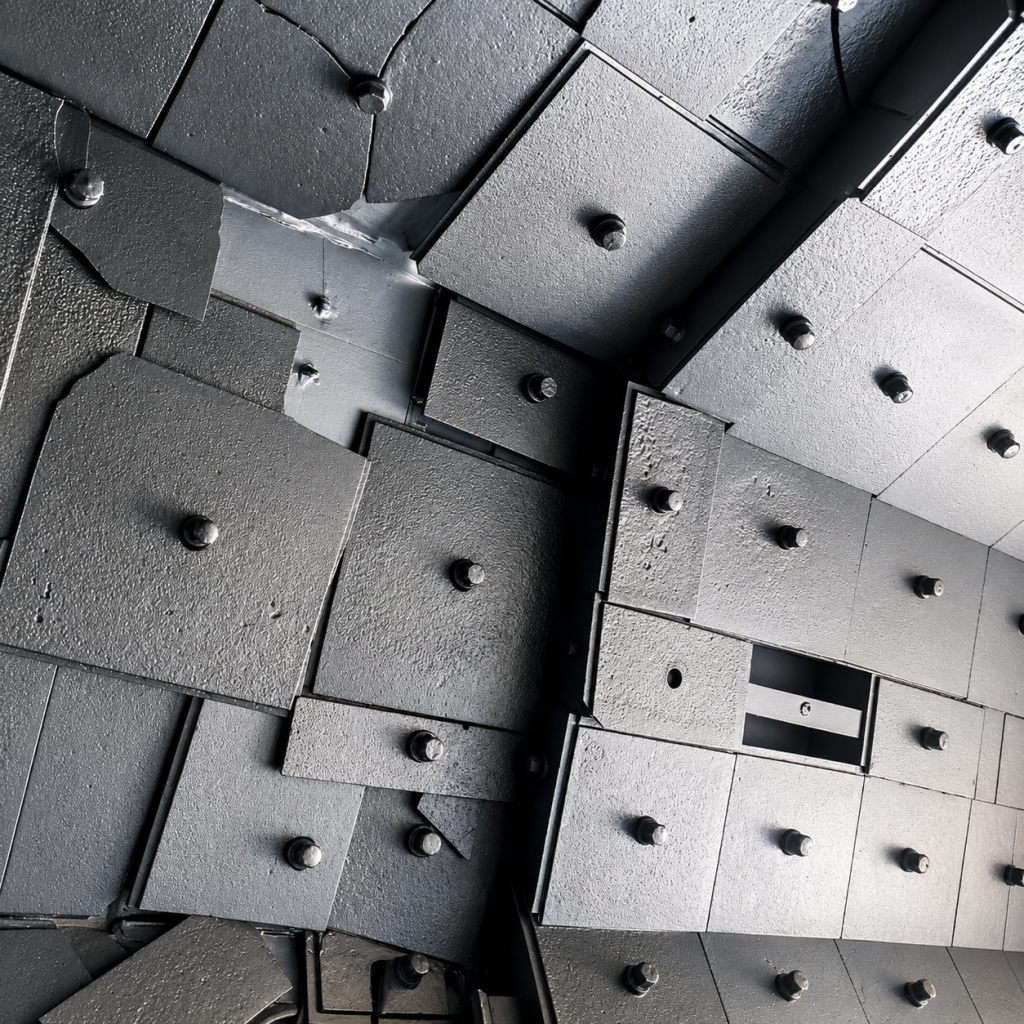
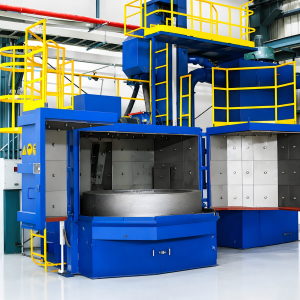
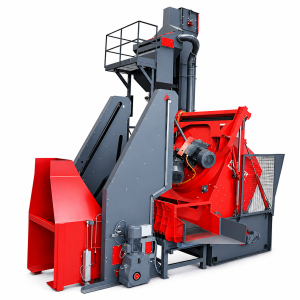
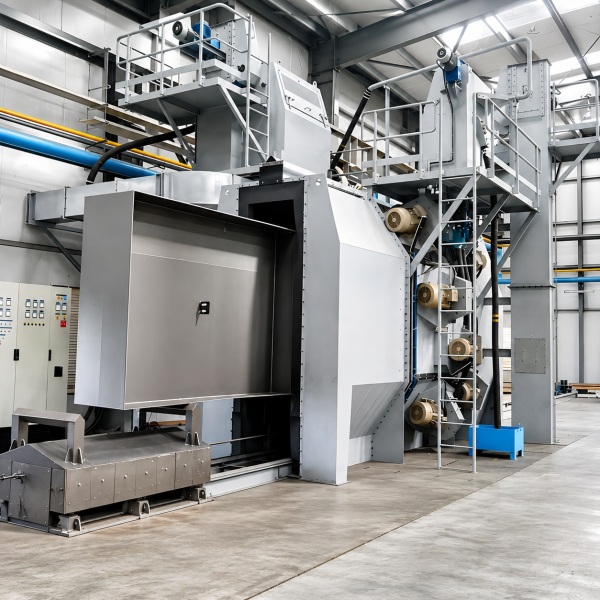
Disc-type wire shot blasting machines are designed to remove surface scale from coiled wire and bar stock. Using multiple blast wheel assemblies together with guide rollers, the wire passes continuously through the machine at high speed, making it a key pretreatment process for wire drawing, cold heading, and fastener production.
In some countries and regions, limited wire storage conditions can lead to thicker and harder rust and oxide scale than those typically found in temperate climates. This can easily cause three common problems: groove damage on guide rollers, accelerated wear of wire guide dies, and blockage of blast wheel discs. High humidity may also cause moisture accumulation in the pneumatic tension control system, resulting in unstable wire tension, wire tangling, and knotting, which can disrupt continuous production.
Direct Shipping from the Nearest Warehouse: Blast wheel discs, wire guide rollers, straightening rollers, wire guide dies, pay-off and take-up reels, tension control rollers, and pinch rollers are kept in stock at our domestic and overseas warehouses. Standard specifications can be shipped directly from the nearest warehouse and delivered within 5–7 days. Guide rollers and wire guide dies can be quickly matched and supplied according to the required wire diameter.
Material Selection & Wear Resistance: Blast wheel discs are made of high-chromium cast iron or alloy steel and dynamically balanced before leaving the factory to minimize vibration during high-speed operation. Wire guide rollers are made of Cr12/Cr15 tool steel with surface hardness of HRC60–62 after quenching, providing excellent groove wear resistance and reducing the risk of wire surface damage. Wire guide dies are made from sintered tungsten carbide or ceramic, with mirror-polished bores and ovality of less than 0.02 mm, ensuring smooth wire passage. Straightening rollers are made of bearing steel with hard-chrome-plated surfaces, offering high wear resistance and a low coefficient of friction. Pinch rollers are coated with polyurethane rated at Shore A 80–95, providing reliable driving force while preventing damage to the wire surface.
Check whether the blast wheel disc holes are blocked, whether worn guide rollers are causing wire vibration, or whether the blast wheel control cage angle has shifted.
Check whether bent wire ends, welded joints, or hard contaminants are entering the machine without being trimmed or removed. For heavily scaled wire, tungsten carbide dies are recommended. Ceramic dies provide good wear resistance but have relatively lower impact resistance.
Check whether hard contaminants are present on the incoming wire. Also verify the actual guide roller hardness. If it is below HRC58, service life may be significantly reduced under heavy-scale operating conditions.
Check for moisture accumulation in the pneumatic system or failure of the magnetic powder brake, both of which can cause unstable tension. Also inspect whether the pay-off and take-up reels are winding evenly and whether the pressure on both sides of the pinch rollers is balanced.
Possible causes include blockage and imbalance of the blast wheel disc, wire jamming inside the blasting chamber, or wet and agglomerated steel shot increasing the load on the blast wheel.

English

Hindi

Indonesian

Russian

Spanish

Thai

Vietnamese