Global Surface Treatment Equipment & System Solutions — Since 2002

久昌机械
Get a Quote
Global Surface Treatment Equipment & System Solutions — Since 2002
久昌机械
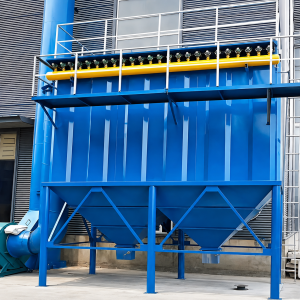
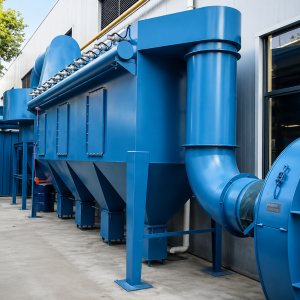
High-Efficiency Pulse-Jet Dust Collection for Industrial Ultra-Low Emissions
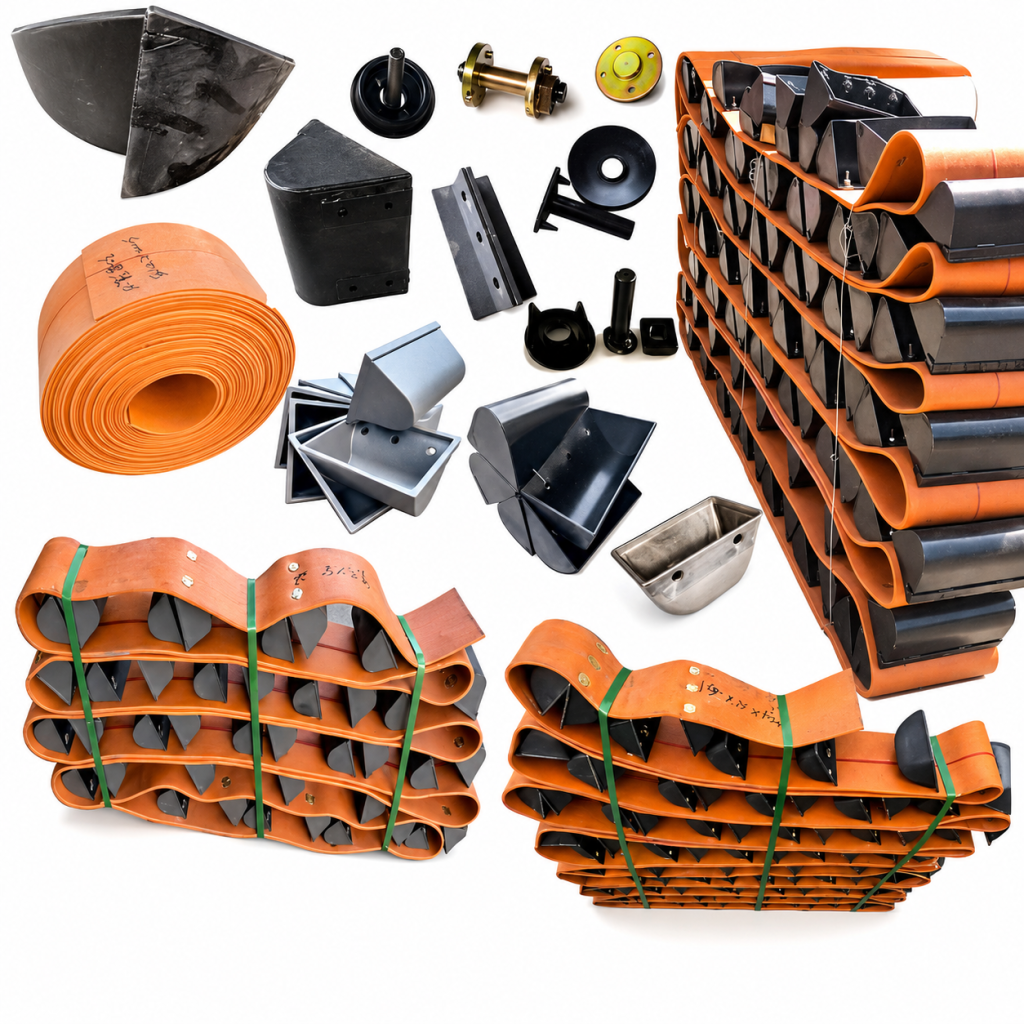
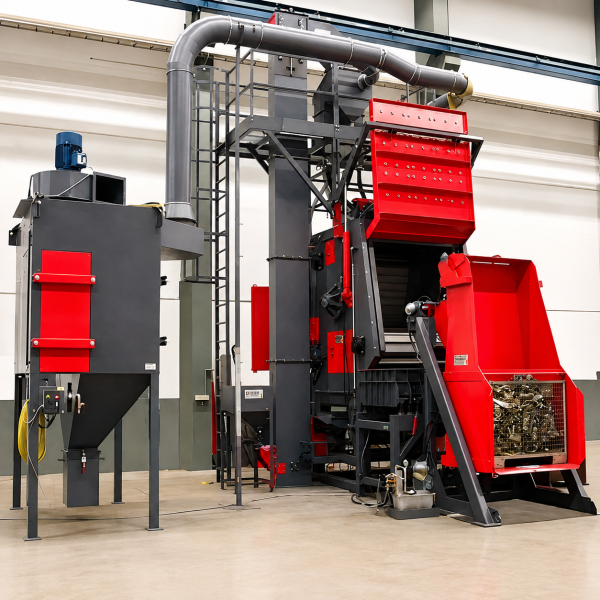
The bucket elevator is the main artery for vertical material transport, serving as the machine's elevator. Its reliability directly determines the production line's ability to operate continuously.
In high-temperature, high-humidity environments, rubber elevator belts age more than 30% faster than they do in temperate regions. Chain pins are prone to rusting and seizure, while buckets remain under continuous load when filled with steel shot and can easily deform or tear if the material quality is inadequate. Our complete range of bucket elevator system parts is designed for these demanding operating conditions.
Inventory and Shipping:
Elevator buckets, elevator belts, elevator chains, head and tail pulley assemblies, tensioning devices, and other parts are routinely kept in stock. Standard models can be dispatched within 3-5 days. Heavy-duty parts, including steel-cord elevator belts and drop-forged chains, can be quickly cut to length by the meter or supplied by the required number of links.
Material Selection and Wear Resistance:
Elevator buckets are available in three versions: cast iron, welded steel plate, and polyurethane-lined. Elevator belts are available as rubber flat belts or steel-cord belts. The outer rubber layer contains UV-resistant and hydrolysis-resistant compounds to slow aging in tropical climates. The head pulley uses wear-resistant polyurethane lagging, providing a high coefficient of friction together with resistance to oil and moisture.
Check whether the tensioning device is loose; inspect the head pulley lagging for a worn, polished surface (re-lag or replace it if necessary); and check whether the machine is being overloaded with shot.
Check whether locknuts are being used; check whether the buckets are striking the casing because of misalignment; and inspect and tighten the fasteners during every shift.
Check whether backstop failure is allowing reverse rotation; check whether the shot feed rate exceeds the elevator's rated capacity; and inspect the bottom section for blockages caused by foreign objects.
This is normal wear. When chain pitch elongation exceeds 3%, the complete chain set must be replaced. Do not replace only a few links, as uneven loading will make tooth skipping more severe.

English

Hindi

Indonesian

Russian

Spanish

Thai

Vietnamese