Global Surface Treatment Equipment & System Solutions — Since 2002

久昌机械
Get a Quote
Global Surface Treatment Equipment & System Solutions — Since 2002
久昌机械
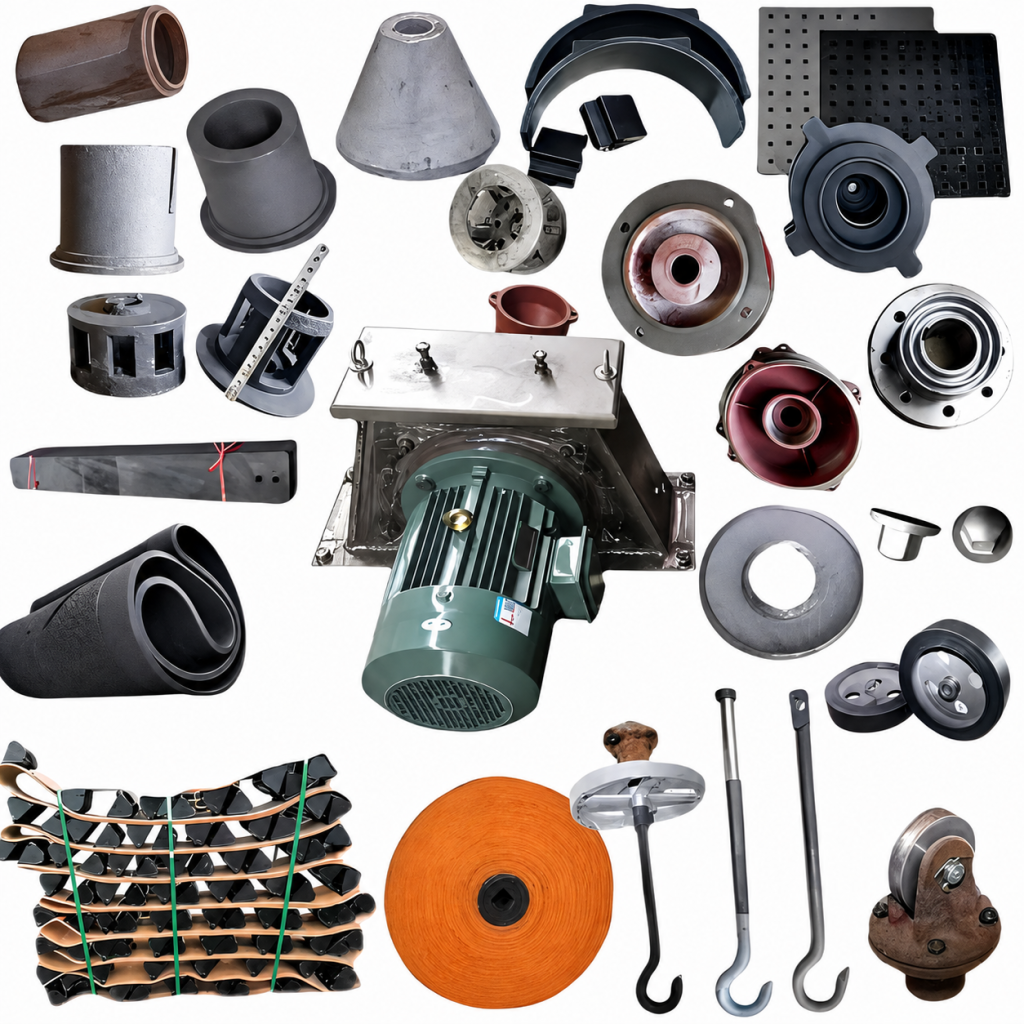
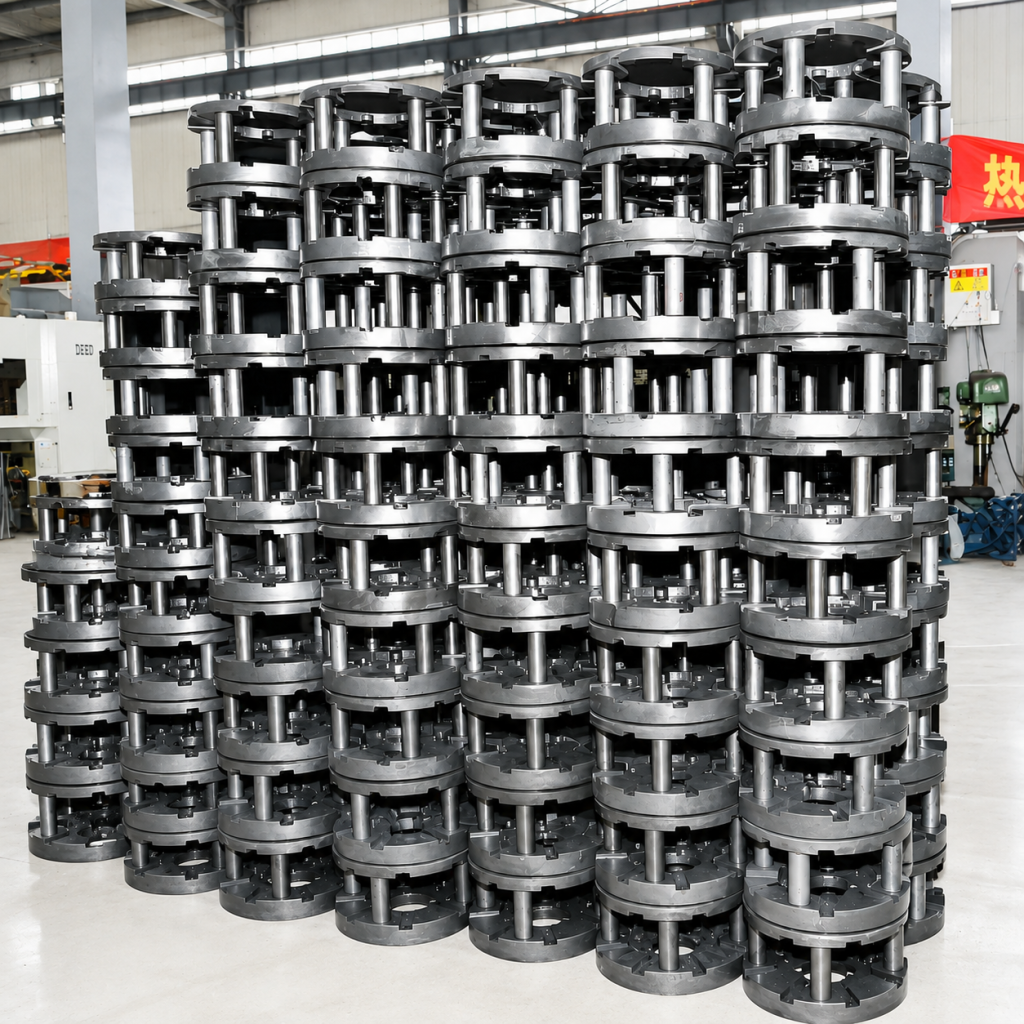
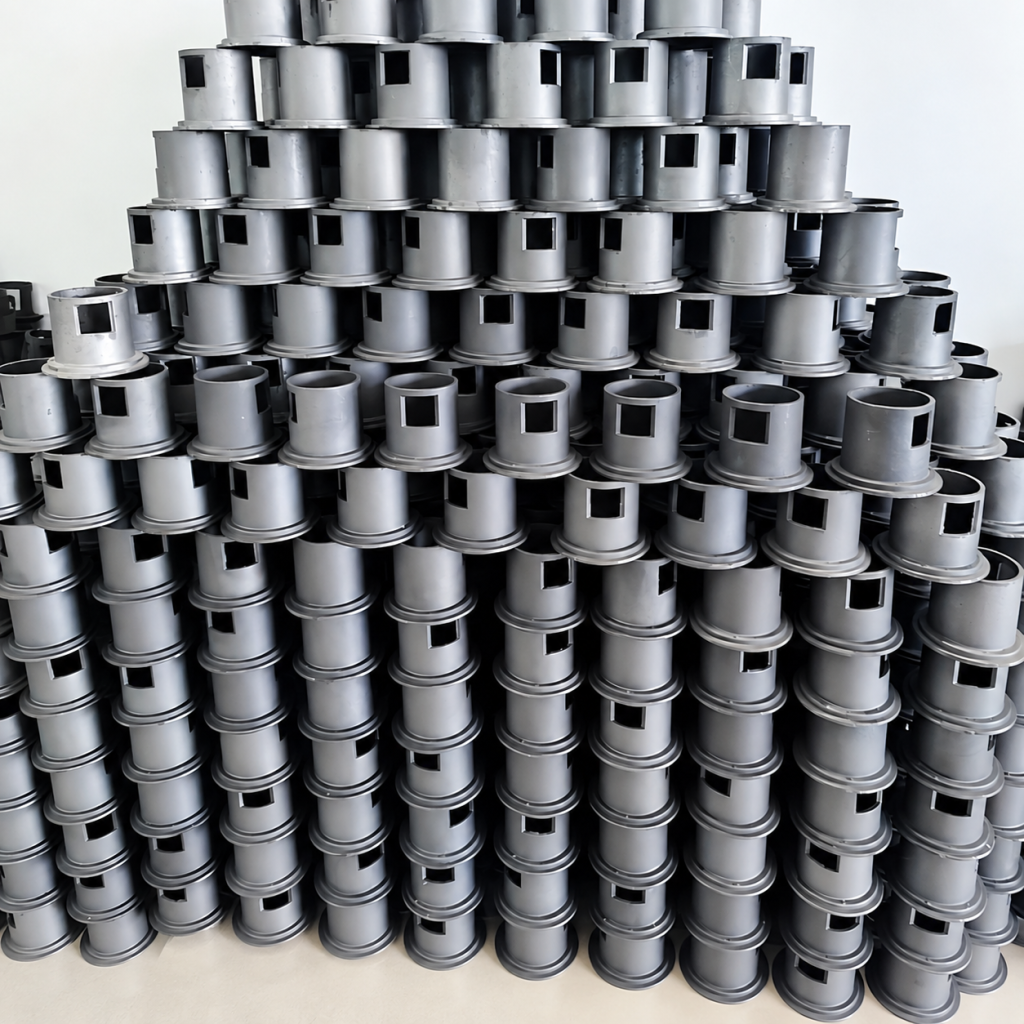
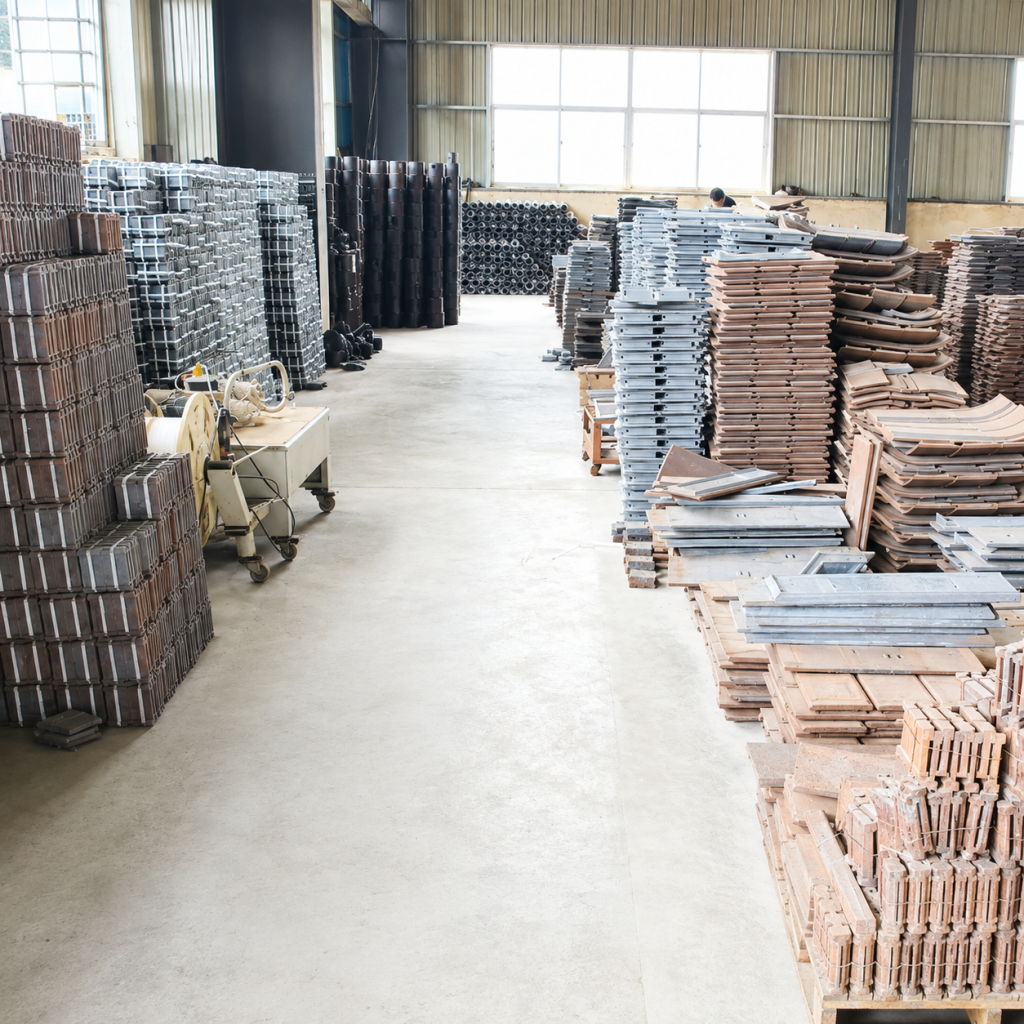
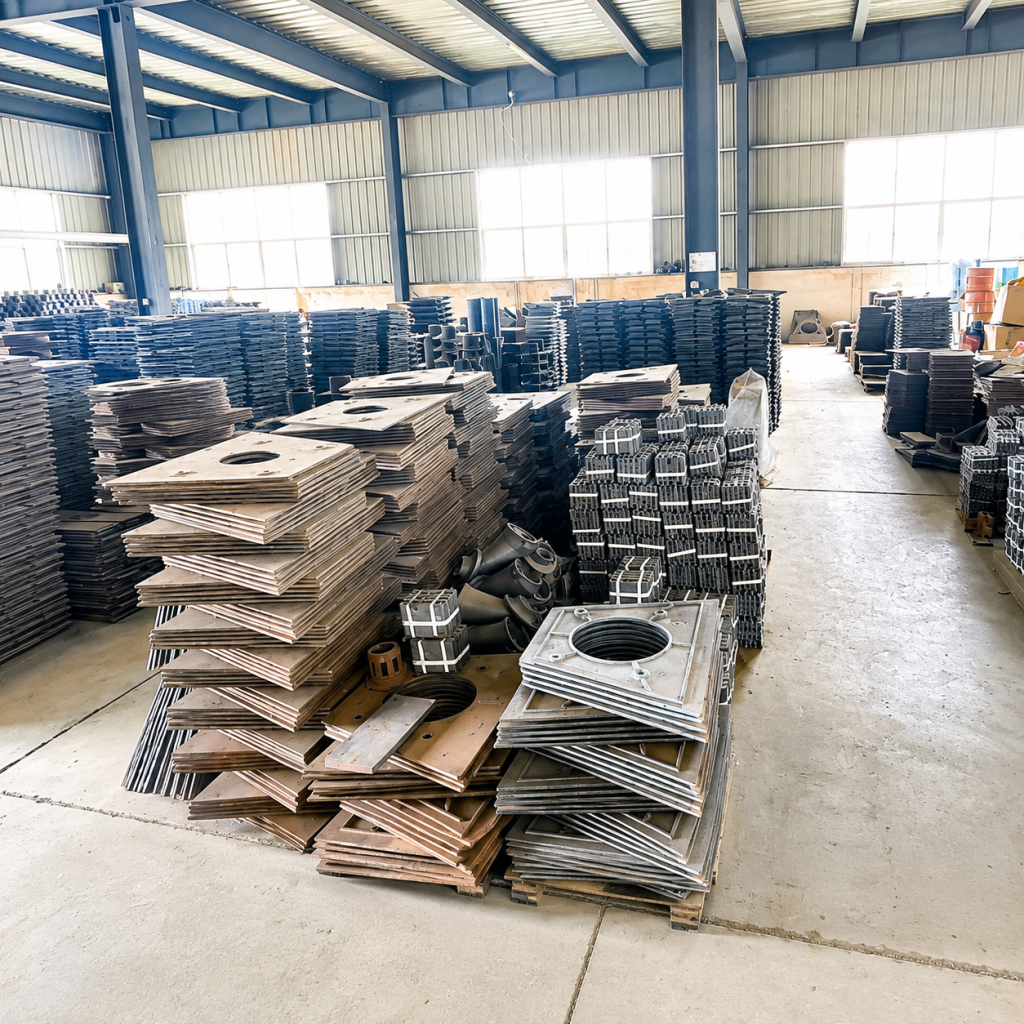
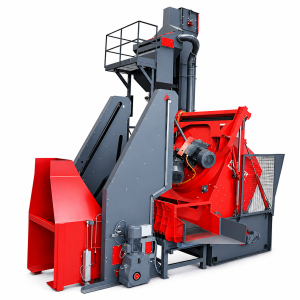
The blast wheel is the heart of the entire machine and directly determines surface-treatment efficiency and workpiece quality.
We have taken into account countries with year-round high temperatures and humidity, where heat dissipation inside the blast wheel is poor, the motor operates under heavy load, and steel shot readily absorbs moisture. These conditions accelerate wear on the blades and liners. To meet these operating conditions, our complete range of blast wheel parts is made from high-chromium cast iron (20-28% Cr) and special alloy steel, with a Rockwell hardness of HRC 58-65. Their resistance to thermal cracking and wear has been proven through long-term operation in tropical climates.
Inventory and Shipping: Core parts, including blades, blade wheels, control cages, and liners, are kept in ample stock at our Southeast Asia forward warehouse and central warehouse in China. Standard models are available from stock and can be dispatched within 3-7 business days after order confirmation. Non-standard parts can be customized from drawings or samples and delivered within 15 days.
Material Selection and Wear Resistance: As the most frequently replaced components, blades are available in three material grades: standard high-chromium cast iron, ultra-high-chromium cast iron, and alloy tool steel. Customers can select the most suitable option based on abrasive hardness and continuous operating hours. The control cage and impeller are precision-cast and CNC-machined to ensure an accurate shot-flow angle, reduce ineffective blasting, and lower energy consumption.
Check whether the steel shot contains sand or has formed damp clumps; check the blast wheel alignment; and verify that the blades are installed in the correct direction.
This is usually caused by uneven blade wear or a single broken blade, which disrupts dynamic balance. Replace the blades as a complete set and rebalance the assembly.
Check whether the grease has deteriorated (it can emulsify under high-temperature, high-humidity conditions); check whether the main shaft is bent; and check whether failed seals are allowing dust to enter.
Check the control cage opening for wear. Replace the control cage when wear exceeds 3 mm, and adjust its angle to achieve the optimum blast pattern.

English

Hindi

Indonesian

Russian

Spanish

Thai

Vietnamese